
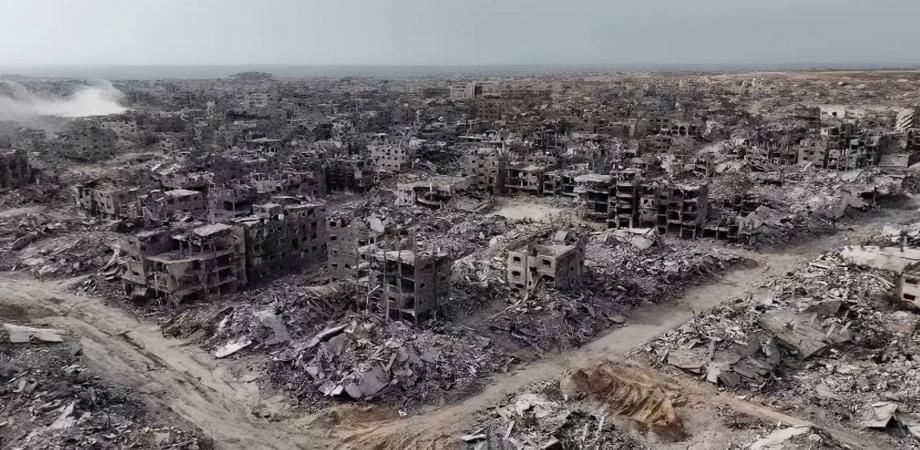
DaysOfPal – A growing wave of outrage over Israel's continued attacks on Gaza is spreading beyond social media, as Palestinian, Arab, and international activists call for three days of worldwide demonstrations to demand an end to the killing, the siege, and the humanitarian catastrophe threatening millions of Palestinians.
Under the hashtag #StopTheGenocide, activists are mobilizing international solidarity and urging people to take to the streets on November 13, 14, and 15, turning online anger into sustained public pressure to protect Gaza's civilians and secure urgently needed humanitarian assistance.
The campaign gained momentum Thursday following renewed Israeli attacks on civilians and medical facilities, particularly the bombing of Nasser Medical Complex in Khan Younis.
The strike hit the hospital's surgical department, killing six Palestinians, including a doctor, patients, and people accompanying them, and wounding 27 others, according to Palestinian reports.
The bombing sparked widespread condemnation, with activists highlighting the repeated attacks on medical facilities that are supposed to be protected under international humanitarian law.
Gaza's remaining hospitals are already struggling to operate amid severe shortages of medicines, equipment, fuel, and other essential supplies.
For campaigners, the attack on Nasser Hospital represents another devastating blow to a healthcare system struggling to keep patients alive.
Even Weddings Are Not Safe From Israeli Attacks
Outrage also spread over an Israeli strike on a wedding car in Deir al-Balah, central Gaza, which killed Palestinian driver Nasha'at Awwad as he waited to transport a newlywed couple.
The groom narrowly escaped death because he had not yet entered the vehicle.
The attack highlighted the dangers facing Palestinians even during moments of celebration, as ordinary civilian life remains overshadowed by the threat of violence.
Activists questioned how Gaza could be considered safe under a ceasefire when Palestinians continue to be killed and hospitals and residential areas remain exposed to attacks.
They also criticized international mediators and the Board of Peace, accusing them of failing to ensure civilian protection and prevent further Israeli violations.
Social media users urged supporters not to allow the suffering in Gaza to become another routine news story.
Instead, they called for sustained public, political, and human rights pressure to demand accountability and an end to the violence.
From Hashtags to Global Days of Rage
The online campaign is now expanding into calls for demonstrations in cities and capitals around the world.
Palestinian organizations and international solidarity movements are urging people to participate in the Global Days of Rage, scheduled for Friday, Saturday, and Sunday, November 13–15.
The demonstrations aim to keep Palestine at the center of international attention and press governments to take meaningful action against the continued attacks, siege, and restrictions on humanitarian assistance.
Activists are encouraging widespread use of #StopTheGenocide to amplify Palestinian voices, document the humanitarian crisis, and maintain international awareness of conditions in Gaza.
But organizers stress that online solidarity alone is not enough.
They are calling for public demonstrations, marches, and sit-ins to increase pressure on governments and international institutions to protect Palestinian civilians.
Gaza's Displaced Face Bombing, Flooding, and Winter Cold
The mobilization comes as Gaza's humanitarian emergency worsens with the arrival of winter.
Heavy rainfall and storms have flooded displacement camps, damaging makeshift shelters and leaving families exposed to cold temperatures, contaminated water, and worsening living conditions.
According to Gaza's Government Media Office, approximately 70,000 tents sheltering more than 300,000 displaced Palestinians were affected by heavy rainfall earlier this week.
Most of those affected are women, children, and older people who have already endured repeated displacement and the destruction of their homes.
For many families, tents are the only shelter remaining after years of Israeli bombardment.
Now, even those fragile shelters are failing to protect them.
Soaked bedding, flooded floors, damaged belongings, and shortages of heating supplies have deepened the suffering of displaced Palestinians.
The crisis has intensified demands for the immediate entry of tents, blankets, heating equipment, emergency supplies, and other humanitarian assistance.
Activists warn that continued restrictions on essential aid could expose already vulnerable families to further illness and hardship during the winter months.
Palestinian Groups Call for Mass International Demonstrations
Gaza's Government Media Office urged people around the world, particularly Arab and Muslim communities and international solidarity movements, to participate in marches and sit-ins demanding urgent action to protect Palestinians.
The office called for increased pressure to allow the entry of emergency equipment, relief supplies, and shelter materials for displaced families.
The Follow-up Committee of the National and Islamic Forces and Palestinian resistance factions also urged wider international mobilization.
The groups called on supporters to highlight the continuing Israeli attacks, siege, and restrictions affecting food and humanitarian supplies.
They also demanded an end to weapons transfers to Israel.
Hamas separately called on political parties, trade unions, human rights organizations, and solidarity movements to organize mass demonstrations in public squares and major cities.
The movement urged Muslim scholars, mosque preachers, Christian religious leaders, and churches to dedicate sermons, prayers, and public appeals to the suffering of Gaza's population, particularly as winter conditions worsen.
Demands for Protection, Humanitarian Aid, and Accountability
The international mobilization centers on demands for an end to Israeli military attacks, the lifting of the siege, and the opening of Gaza's border crossings to humanitarian assistance.
Campaigners are calling for the immediate delivery of food, medicines, tents, heating supplies, and essential shelter materials.
They are also demanding an end to military support and arms transfers to Israel, alongside stronger international measures to protect civilians and ensure accountability for violations of international humanitarian law.
For activists, the coming demonstrations represent an opportunity to transform widespread outrage into sustained international pressure.
The campaign reflects growing frustration over the gap between repeated international statements of concern and the continuing suffering of Palestinians in Gaza.
As the Global Days of Rage begin, organizers hope the demonstrations will keep international attention focused on the urgent need to protect civilians, restore humanitarian access, and prevent further loss of life.
For hundreds of thousands of displaced Palestinians facing bombardment, flooding, and winter cold, the demand is no longer simply for expressions of sympathy. It is for protection, shelter, food, medical care, and concrete action to end their suffering.
The message spreading across social media and into the streets is clear: Stop the genocide. Save Gaza.
Source : Safa News


