
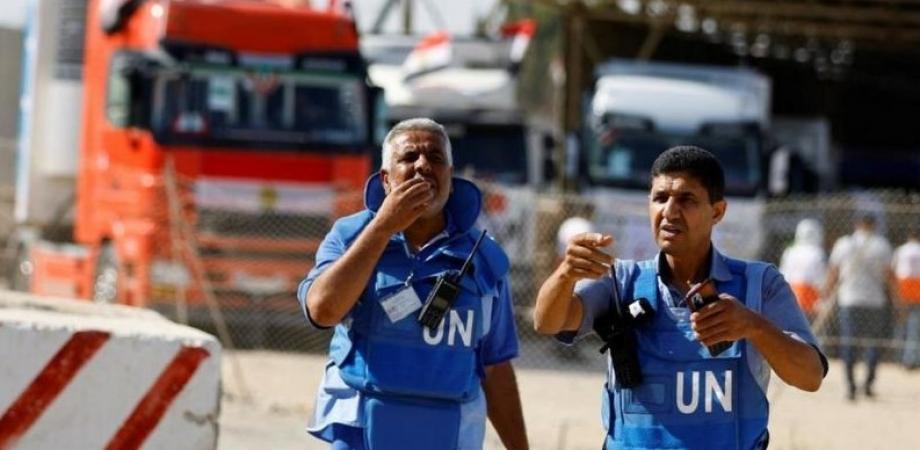
After months of near-total isolation under a genocidal war, residents of Gaza are awaiting the imminent reopening of the Rafah crossing with Egypt, the only exit not controlled by Israel and a crucial gateway for humanitarian relief. For many Palestinians, the reopening represents a rare chance to escape medical deterioration, reunite with family members, or resume interrupted studies abroad after more than two years of confinement.
The expected reopening follows developments linked to the handover of the remains of the last Israeli prisoner held in Gaza. Palestinian officials say the crossing could begin operating in both directions within days, though initially limited to pedestrian movement. Thousands of wounded civilians, patients in need of urgent care, students holding foreign visas and foreign nationals have been identified as priority cases, reflecting the scale of unmet humanitarian needs inside the territory.
Israeli authorities have stated that all movement through Rafah will remain subject to a full inspection mechanism, with names submitted in advance for approval. A newly formed Palestinian committee is expected to coordinate travel lists, while access will remain highly restricted. Many residents fear that delays and limitations will continue to cost lives, as injuries worsen and chronic illnesses go untreated amid collapsing health services.
For young Palestinians, Rafah also represents a fragile bridge to the future. Students who secured university offers abroad say their aspirations remain suspended behind a closed gate, even as Gaza’s infrastructure lies in ruins. Emergency responders continue to warn that thousands of bodies remain trapped beneath rubble, underscoring the urgency of unrestricted aid and reconstruction supplies entering the territory as the humanitarian catastrophe deepens.
Source : Safa News


