
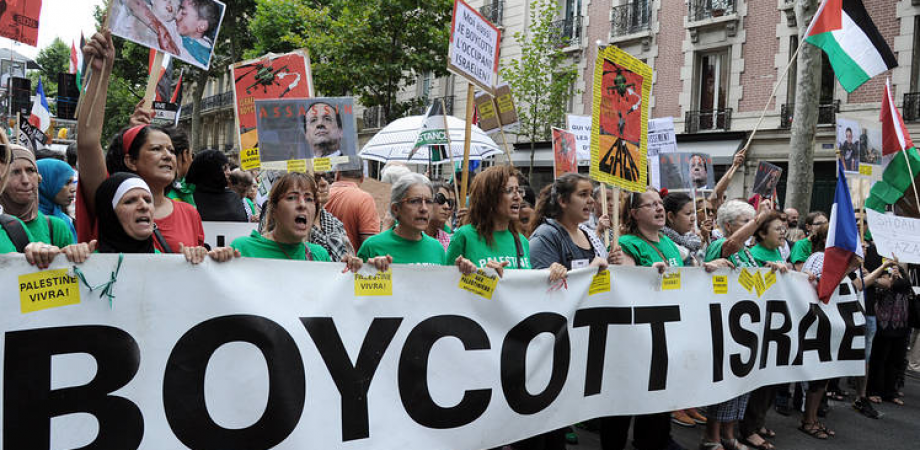
SAFA — Israel is facing growing concern that Britain’s decision to ban imports from illegal Israeli settlements in the occupied West Bank could encourage other Western countries to adopt similar measures, potentially increasing Israel’s economic and diplomatic isolation.
Two Palestinian economic experts told Felesteen newspaper that the British move could have consequences beyond the direct value of settlement trade, particularly if it develops into a broader European and international campaign targeting economic activity linked to Israel’s occupation.
Britain announced on Tuesday that it will ban imports of goods produced in illegal Israeli settlements as part of a wider sanctions regime targeting settlement expansion in the occupied Palestinian territories.
The measures will also allow sanctions against companies and individuals involved in construction, infrastructure, financing and real estate connected to settlement expansion, while advertising settlement properties in Britain will be prohibited.
British Foreign Secretary Ed Miliband stressed that the measures target illegal settlements rather than Israel itself, saying Britain intends to maintain trade with Israel within its internationally recognized borders.
The announcement nevertheless triggered an angry response from Israeli officials. Finance Minister Bezalel Smotrich called for the expulsion of the British ambassador, while National Security Minister Itamar Ben-Gvir demanded retaliatory measures against Britain.
Fears of a Wider ‘Domino Effect’
Palestinian economic expert Dr Thabet Abu Al-Rous said Israel’s concerns extend beyond the immediate commercial impact of the British measures to the possibility that they could encourage other countries to impose similar restrictions.
He argued that a British precedent could create a political and economic “domino effect”, particularly if European and Western governments expand restrictions from settlement goods to companies and financial institutions involved in settlement activity.
That possibility has become increasingly significant as Britain coordinates action with France and Canada, while several other European countries have either introduced or are considering restrictions on trade linked to Israeli settlements.
Abu Al-Rous described the developments as an opportunity for Palestinian diplomatic institutions to press for broader international measures targeting Israel’s settlement enterprise.
Britain already distinguishes between Israel and Israeli settlements in its trade policy. Goods originating in settlements have not been eligible for the preferential tariff treatment granted to Israeli goods, while the new measures will go further by prohibiting their import altogether.
Economic Pressure and Normalization
Economic expert Khaled Abu Amer said Arab and Muslim countries also possess significant economic leverage and called for stronger economic pressure on Israel over its actions against Palestinians.
He criticised Arab states that have expanded economic relations with Israel under normalization agreements, arguing that growing trade and investment ties provide Israel with alternative economic channels at a time when it faces increasing international pressure.
Abu Amer said economic integration with Israel reduces the effectiveness of international restrictions by providing additional markets, investment and commercial partnerships.
The British measures remain specifically targeted at illegal settlements rather than overall trade with Israel. However, the growing number of countries moving against settlement-linked economic activity has raised a wider question for Israeli policymakers: whether Britain’s decision will remain an isolated measure or become part of a broader international shift towards imposing economic consequences for Israel’s occupation and settlement expansion.
Source : Safa News


