
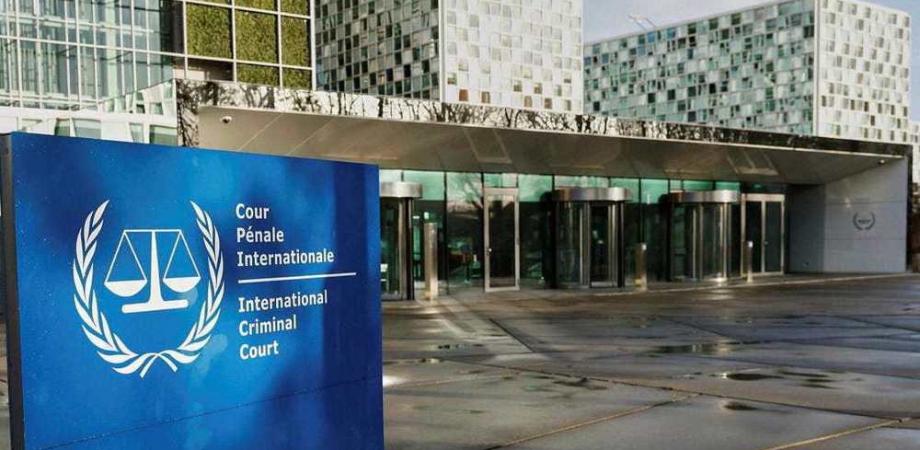
SAFA – Amnesty International has condemned sweeping new U.S. sanctions against the International Criminal Court (ICC), warning that the Trump administration is seeking to cripple the tribunal, undermine international justice and shield perpetrators of grave crimes from accountability.
In a statement issued Friday, October 9, the human rights organization described the sanctions as an unprecedented attack on the court's independence and ability to investigate and prosecute genocide, war crimes and crimes against humanity.
Amnesty warned that targeting the ICC as an institution, rather than only individual judges and prosecutors, could severely disrupt its operations and weaken one of the international community's most important mechanisms for holding powerful officials accountable.
“President Trump’s sanctions are designed to isolate and ultimately destroy the International Criminal Court,” said Erika Guevara Rosas, Amnesty International's senior director for research, policy, advocacy and campaigns.
She called on governments to resist the measures and take concrete steps to protect the tribunal from political and financial pressure.
Amnesty stressed that governments must provide the political, financial and practical support necessary to ensure that the ICC can continue investigating serious international crimes, including those committed against Palestinians in the occupied territories.
Washington Escalates Pressure on ICC Over Accountability for Israel
The warning followed the Trump administration's announcement of sweeping sanctions against the Hague-based court on October 9, just hours after former ICC judge Navi Pillay was awarded the 2026 Nobel Peace Prize for her contributions to international law and human rights.
U.S. Secretary of State Marco Rubio announced the measures, which target the ICC's institutional operations and its access to essential financial and technological services.
The sanctions could restrict transactions involving the court and disrupt its access to banking systems, technology providers and other services necessary for its work.
Washington has provided a six-month transition period for certain affected entities to end their business relationships with the ICC.
The measures mark a significant escalation in the administration's confrontation with the court, particularly over investigations involving American personnel and Israeli officials.
The United States has long rejected the ICC's jurisdiction over its nationals without U.S. consent and has opposed investigations targeting officials from countries that are not parties to the Rome Statute.
The latest sanctions also come amid Washington's continuing opposition to the ICC's arrest warrants against Israeli Prime Minister Benjamin Netanyahu and former Defense Minister Yoav Gallant.
In November 2024, ICC judges issued arrest warrants for Netanyahu and Gallant over war crimes and crimes against humanity committed against Palestinians in Gaza.
The court found reasonable grounds to believe that the two officials bore criminal responsibility for crimes including the use of starvation as a method of warfare, murder, persecution and other inhumane acts.
Both Israel and the United States have rejected the court's actions, while human rights organizations have repeatedly emphasized the importance of independent investigations and accountability for crimes committed against Palestinian civilians.
Nobel Peace Prize Highlights Growing Battle Over International Justice
The announcement of the sanctions coincided with the awarding of the Nobel Peace Prize to South African jurist Navi Pillay, a former ICC judge and United Nations High Commissioner for Human Rights.
Pillay previously chaired the UN Independent International Commission of Inquiry on the Occupied Palestinian Territory, including East Jerusalem, and Israel.
The commission concluded in September 2025 that Israeli authorities and security forces had committed genocide against Palestinians in Gaza, findings strongly rejected by the Israeli government.
Her recognition came as the ICC faced mounting political pressure over its investigations into international crimes, particularly those involving senior Israeli officials.
The timing of Washington's announcement drew renewed attention to the growing confrontation between governments seeking to restrict the court's authority and international institutions defending its independence.
Amnesty Calls for Global Action to Defend the Court
Amnesty International urged governments, particularly ICC member states, to move beyond expressions of concern and adopt practical measures to preserve the tribunal's ability to function.
The organization warned that failure to resist political intimidation would further undermine the principle that no individual should be beyond the reach of international law, regardless of political position, nationality or military power.
Guevara Rosas said the future of the court and international justice would depend on the willingness of governments and ordinary people to defend accountability against political interference.
The ICC has also rejected the U.S. sanctions, describing them as an attack on the rule of law and calling on member states to ensure that the court can continue carrying out its mandate.
European governments and other supporters of the tribunal have expressed opposition to the measures, with discussions focusing on ways to protect the court's financial systems, essential services and institutional independence.
For Palestinians seeking accountability for war crimes and crimes against humanity committed in Gaza, the confrontation carries particular significance.
The ICC's arrest warrants against Netanyahu and Gallant represent a major international legal effort to investigate crimes committed against Palestinian civilians. Measures that obstruct the court's operations could further delay proceedings and undermine victims' access to justice.
Amnesty warned that protecting the ICC is essential not only for the Palestinian people but also for victims of grave crimes worldwide who depend on international accountability when national justice systems fail.
The organization called for sustained international action to ensure that political pressure and economic sanctions do not prevent the court from investigating atrocities and pursuing those suspected of responsibility.
Source : Safa News


