
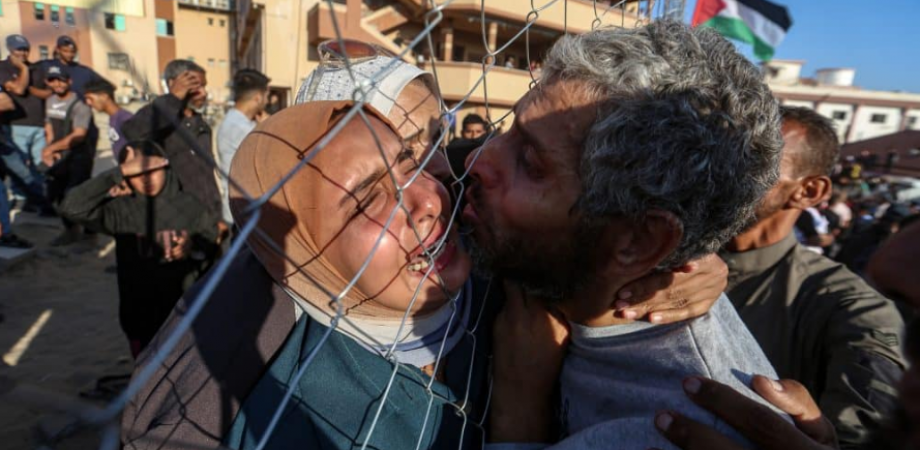
In the months since the genocidal war on Gaza began, testimonies from former detainees and legal experts describe a dramatic deterioration inside Israeli prisons, where conditions have shifted from longstanding hardship to what many now view as an organised system of degradation. Individuals who spent decades in detention say the environment has transformed into something unrecognisable, marked by extreme restrictions, the removal of basic necessities and a climate designed to leave prisoners weakened both physically and mentally. Several describe facilities that feel less like detention centres and more like spaces where people are kept barely alive.
Former long-term prisoners explain that rights once achieved through years of collective struggle have been eliminated in a matter of months. Reports of chronic malnutrition, severe overcrowding, prolonged isolation, continuous raids by special units and the denial of basic hygiene have become routine. Those who were released recently say they endured repeated night-time invasions of their cells, widespread psychological pressure, and an absence of medical care that left many in critical condition. Some noted that food, rest and even religious practice have been reduced to instruments of punishment, while books and family visits have been stripped away entirely.
Human-rights advocates highlight the scale of the current abuses with figures that illustrate an unprecedented phase in the treatment of Palestinian prisoners. Since October 2023, thousands from the West Bank and Gaza have been detained, including minors, women and individuals held without charges under administrative detention. Many remain unaccounted for. Monitoring groups warn that rising deaths inside prisons, the expansion of solitary confinement and the closure of facilities to international oversight amount to a deliberate strategy to silence, isolate and ultimately break the prisoners’ movement. Legal specialists argue that such policies, combined with reports of starvation, systematic humiliation and the removal of legal protections, may constitute grave violations of international humanitarian law.
Some experts fear the approval of new punitive legislation, including measures related to capital punishment, signals an environment where prisoners are increasingly treated as individuals without rights or protection. They describe a system that has descended into a state of legal and moral collapse, where detention is no longer about controlling a population but about erasing its collective presence. For many, the current moment represents a turning point: a transformation of prisons into spaces of slow disappearance, demanding urgent international scrutiny.
Source : Safa News


