
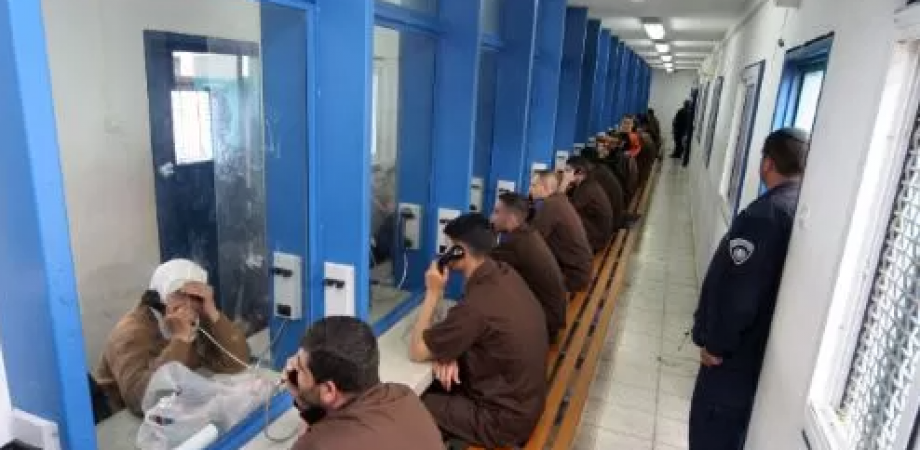
Throughout 2025, the prison system operating under occupation emerged as one of the most concealed yet lethal arenas of the ongoing genocidal war. Mass incarceration intensified to levels unseen in previous years, while detention centres and military camps evolved into spaces where survival itself became uncertain. Arrests expanded relentlessly, sweeping up men, women, and children alike, while imprisonment increasingly functioned as a mechanism of eradication rather than confinement.
Inside these facilities, detainees were subjected to a coordinated regime of deprivation. Hunger, medical neglect, and physical and psychological abuse were not incidental outcomes but structured practices. Administrative detention expanded dramatically, leaving thousands imprisoned without charge or trial, while detainees from Gaza were held under exceptional legal classifications that stripped them of even minimal procedural protection. The absence of effective oversight allowed these policies to operate in near-total obscurity.
Deaths in custody rose sharply over the year, reflecting a broader effort to normalise lethal outcomes through legislation and administrative measures. Dozens of detainees lost their lives, including children, while the bodies of many others were withheld, reinforcing a system designed to deny both dignity in life and recognition in death. For many families, enforced disappearance remained an open wound, with no information about the fate of their loved ones.
Women detainees endured a compounded form of repression marked by humiliation, deprivation, and deliberate neglect. Basic necessities were routinely denied, healthcare was withheld, and living conditions deteriorated to levels incompatible with human survival. Long-term isolation was imposed on prominent detainees, cutting them off from the outside world in conditions that amounted to sustained psychological destruction.
Medical care across the prison system collapsed into a policy of abandonment. Serious illnesses went untreated, transfers to hospitals were delayed until irreversible deterioration, and the spread of disease was accelerated by overcrowding and unsanitary conditions. Fear itself became a deterrent to seeking help, as requests for treatment were often met with further abuse. Starvation was systematically employed, with food reduced to quantities incapable of sustaining health, even as judicial rulings acknowledged its insufficiency without enforcing change.
Military camps functioned as open zones of cruelty, where detainees were reduced to numbers, denied sleep, warmth, and basic shelter. Children were subjected to the same conditions as adults, while detainees from Gaza faced the harshest treatment from the moment of capture, many remaining unaccounted for to this day. Although exchange agreements led to the release of thousands of prisoners, re-arrests and reprisals continued, undermining any humanitarian dimension. Hundreds of long-term prisoners, some incarcerated for nearly four decades, remain behind bars, many suffering from severe illness after years of accumulated abuse.
Source : Safa News