
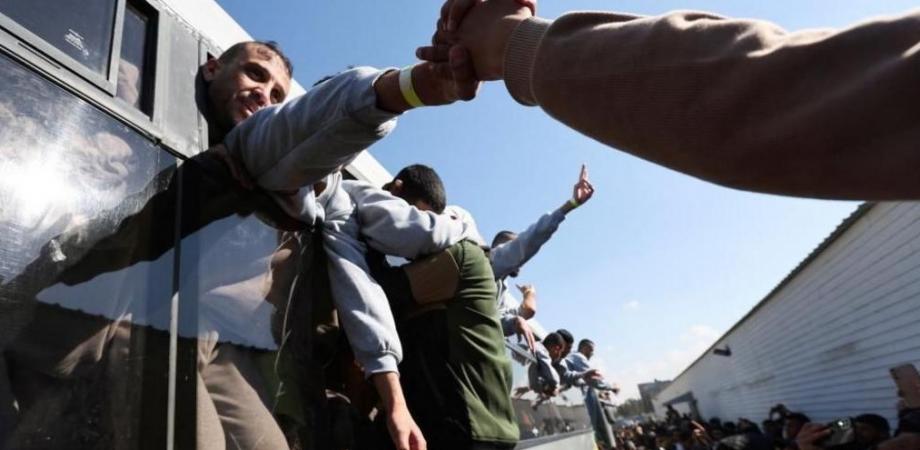
As global attention remains fixed on scenes of devastation and loss, the daily reality faced by thousands of Palestinian prisoners inside Israeli prisons continues largely unseen. Behind locked doors, policies of isolation, deprivation and physical abuse have intensified, reducing detainees to statistics while stripping them of identity, dignity and visibility during an ongoing genocidal war.
In response to this sustained marginalisation, two growing initiatives, Save the Prisoners and Red Ribbons, have emerged to force the issue back into public view. Combining human rights documentation, survivor testimonies and symbolic public actions, the campaigns seek to humanise prisoners and warn of escalating dangers inside detention facilities, including collective punishment and threats of execution.
Former prisoner and campaign coordinator Ghofran Zamel says conditions inside prisons have sharply deteriorated since the genocidal war on Gaza began. Emergency measures, she explains, were used to justify sweeping crackdowns that dismantled decades of gains made by the prisoners’ movement. Personal belongings were confiscated, food supplies destroyed, communal sections converted into isolation units and financial accounts seized, leaving prisoners exposed to systematic humiliation and neglect.
Zamel says the campaign was launched by families after it became clear that prison abuses were being deliberately excluded from public discourse. Its aims include exposing violations, mobilising international pressure for the release of women, children and administrative prisoners, and pushing for accountability for crimes committed behind bars. She warns that renewed legislative efforts to permit executions represent an unprecedented threat, particularly to prisoners serving life sentences or awaiting verdicts.
Alongside this, the Red Ribbons campaign has adopted a visual approach to break public indifference. Red ribbons, symbolising blood and unjust detention, have appeared in public spaces across several countries, often displayed with images of prisoners. Campaign organisers say the simplicity of the symbol has helped the issue cross borders and reach audiences otherwise untouched by formal human rights reporting.
Both initiatives stress that the struggle over prisoners is not only legal, but moral. By highlighting individual cases, including doctors, women, children and long-term administrative prisoners, campaigners aim to restore the human dimension of incarceration and counter efforts to normalise mass detention. Organisers argue that sustained media attention and international pressure remain the last barriers against further abuses inside the prison system.
Source : Safa News


