
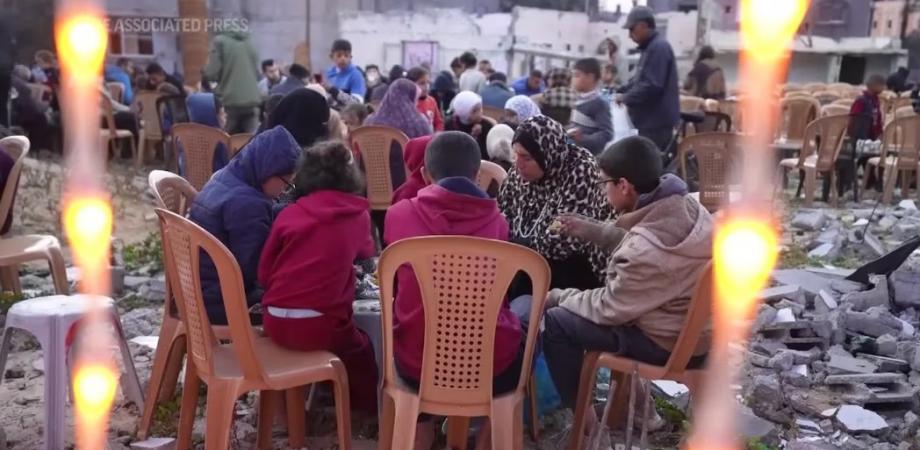
As Ramadan arrives, a season traditionally defined by togetherness and reflection, many households across Gaza find themselves facing a deepened sense of absence. More than 7,000 people remain unaccounted for since early October 2023, leaving families suspended between hope and grief. Some of the missing are believed to lie beneath collapsed buildings, unreachable amid widespread destruction, while others are thought to be held as prisoners within detention systems, with no clear information about their fate or condition.
The silence surrounding these disappearances has become a wound of its own. International humanitarian law recognises the right of families to know what has happened to their relatives, yet weeks turn into months without confirmation, names, or records. This uncertainty creates a cruel limbo: loved ones do not know whether to mourn, to wait, or to demand the return of bodies for burial. The emotional strain is compounded by legal uncertainty, denying families both closure and justice during an ongoing genocidal war.
Ramadan, with its emphasis on shared meals and collective prayer, throws this pain into sharper relief. Empty places at family tables serve as daily reminders of those who have not returned. Without access to destroyed areas or systematic recovery efforts, families are left imagining multiple, equally unbearable possibilities. Calls continue for transparent disclosure of information, access to detention sites, and the use of identification methods to locate and name the missing, underlining that resolving this tragedy is not a matter of charity but of legal and moral obligation.
Source : Safa News


