
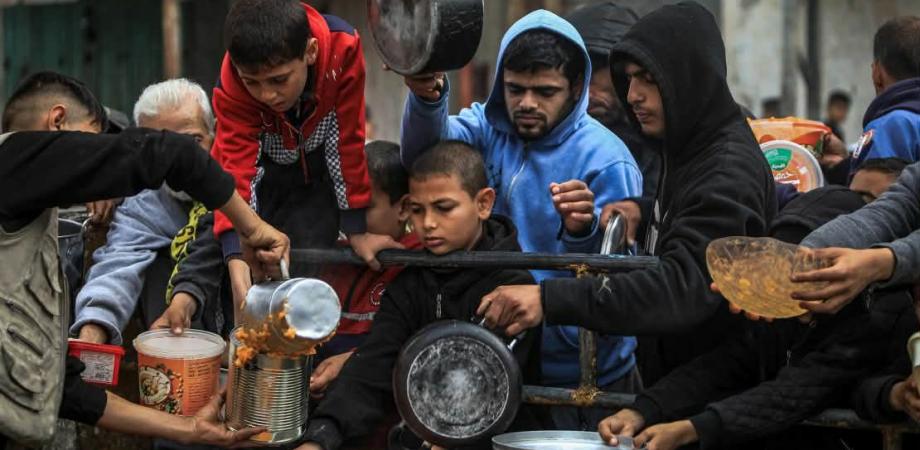
As dusk falls each evening in Ramadan, homes across Palestine prepare for iftar, yet thousands of family tables remain painfully unfinished. An empty chair becomes the most visible reminder of a loved one held behind bars during a relentless genocidal war. For parents, spouses and children, the breaking of the fast is overshadowed by unanswered questions: did the prisoner eat, were they allowed to fast, were they permitted to pray in dignity?
This enforced absence has become sharper over the past two years, as conditions inside Israeli prisons have hardened. Families speak of rising fear amid reports of starvation policies and severe restrictions. Since the start of Ramadan alone, more than a hundred people have been seized from the West Bank, including women, children and former prisoners who had hoped to spend the holy month at home, according to Palestinian Prisoners Club. In total, around 9,300 Palestinian families are spending Ramadan separated from a father, mother, husband or brother.
For some households, the worry is immediate and life-threatening. In Hebron, the family of 25-year-old Hamza Al-Rajoub waits anxiously for news of a son battling cancer whose treatment has reportedly been interrupted since his arrest. His mother’s questions repeat with every mouthful of food, her tears mingling with prayers that he is at least receiving medicine and enough to survive. Elsewhere, in Jenin, the Hamarsha family marked their seventeenth Ramadan without Adnan, a disabled prisoner repeatedly held without charge. Hopes of reunion this year were crushed when his detention was renewed at the last moment, extending a separation that has already spanned more than 15 years.
The absence is felt not only through illness and long sentences, but also through the erosion of everyday rituals. Children no longer walk to evening prayers with their fathers, markets are visited without the familiar figure choosing Ramadan provisions, and extended families forego their traditional gatherings. Around 70 households are spending Ramadan without a mother, sister or wife imprisoned inDamon Prison or interrogation centres, while the families of nearly 350 imprisoned children face the holy month stripped of joy.
Inside the prisons, testimonies describe prisoners being kept on meagre rations, effectively forcing prolonged fasting unrelated to faith, alongside bans on collective prayer and, in some cases, access to the Qur’an. Outside, families cling to hope that the next Ramadan will bring freedom rather than absence. Until then, the holy month arrives with quiet resilience, heavy hearts, and prayers whispered for reunion in the midst of a genocidal war that reaches even the most intimate corners of home.
Source : Safa News