
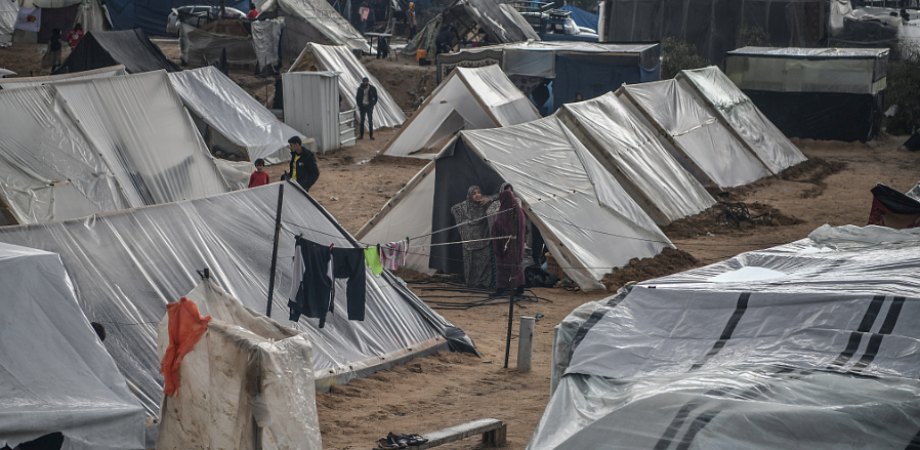
SAFA — Palestinian Minister of Public Works and Housing Ahed Bseiso said on Sunday that nearly 2.2 million Palestinians in the Gaza Strip have been confined to an overcrowded area of less than 100 square kilometers, worsening the humanitarian crisis and placing immense pressure on every aspect of daily life.
Speaking to reporters, Bseiso said Israeli restrictions at the crossings, including limits on the entry of construction materials and heavy machinery, have prevented Gaza from moving beyond emergency relief toward recovery and reconstruction. As a result, government efforts and international partnerships remain focused primarily on urgent humanitarian needs.
He said the Gaza Strip is buried beneath an estimated 60 million tons of rubble produced by the widespread destruction of homes, public facilities, and vital infrastructure. Removing such an enormous volume of debris requires specialized machinery and equipment, much of which remains restricted from entering Gaza.
As part of efforts to provide emergency shelter for displaced families, Bseiso said the ministry has signed memorandums of understanding with regional and international organizations, including the African Union Development Agency (NEPAD), to implement relief projects such as temporary shelter centers and financial assistance for families affected by extreme weather.
The ministry also plans to distribute improved fiberglass shelter units designed to offer greater protection from the intense summer heat and harsh winter conditions. Prefabricated homes remain unavailable because of restrictions on their entry.
According to Bseiso, Gaza’s initial recovery plan estimates that approximately 200,000 prefabricated housing units are needed to accommodate displaced Palestinians whose homes have been destroyed.
The ministry, in cooperation with the United Nations Development Programme (UNDP), has also been working on rubble removal, management, and recycling. In May, teams collected and removed approximately 311,000 tons of debris to reopen roads and facilitate the movement of residents and humanitarian aid convoys.
Despite these efforts, rubble removal remains severely constrained by fuel shortages, damaged heavy machinery, restrictions on spare parts, and the presence of unexploded ordnance and hazardous materials beneath collapsed buildings.
International assessments warn that clearing and recycling more than 60 million tons of rubble could take years and require substantial funding. For now, efforts remain largely limited to reopening essential roads and addressing the most urgent humanitarian needs across the Gaza Strip.
Source : Safa News


