
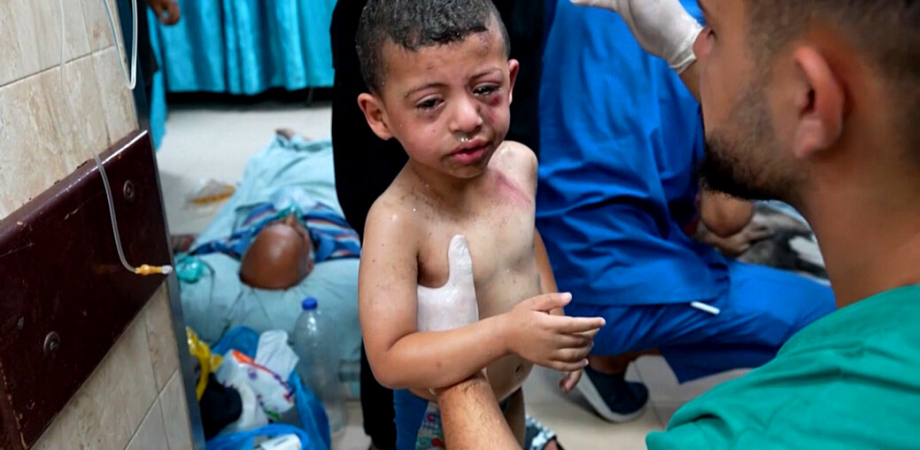
SAFA- Children in the Gaza Strip are facing more than the dangers of bombardment, displacement, and the loss of their homes. They are now confronting another serious threat as infectious diseases spread through overcrowded displacement camps and shelters amid shortages of clean water, mounting garbage, deteriorating sanitation services, and a healthcare system struggling to provide essential prevention and treatment.
Bacterial meningitis has emerged as one of the most alarming health threats facing children and their families, following reports of infections and deaths among children and infants.
At the same time, skin diseases, respiratory infections, and diarrhea are spreading, reflecting the growing health consequences of the war and the worsening living conditions affecting children across Gaza.
Four Children Die as Meningitis Cases Rise
Dr. Ahmed al-Farra, director of the neonatal and maternity department at Nasser Medical Complex, revealed that the department recorded 15 cases of bacterial meningitis within a short period.
Four children died from the disease while receiving intensive care, he said, adding that pediatric and intensive care departments had admitted other patients, some of whom developed bloodstream infections.
In press statements, al-Farra warned of the severe complications associated with bacterial meningitis, particularly when diagnosis and treatment are delayed.
He explained that Gaza’s deteriorating health and living conditions increase the risk of infection while limiting hospitals’ ability to respond effectively.
Zaher al-Wahidi, director of the Information Unit at Gaza’s Ministry of Health, said the ministry records approximately 20 cases of bacterial meningitis each month.
He explained that meningitis can be caused by viral or bacterial infections, with bacterial meningitis posing a greater danger, although viral meningitis is more widespread across the territory.
Al-Farra, a pediatric specialist, also warned of a growing wave of infections, particularly among infants between one and three months old.
He noted that the current wave has seen an increase in bacterial cases compared with earlier periods, when viral infections were more common.
Delayed diagnosis and treatment of bacterial meningitis can lead to serious complications, including hearing or vision loss, developmental delays affecting cognitive and motor skills, and death.
Warning signs requiring urgent medical attention include fever, vomiting, persistent crying, irritability, seizures, and reduced consciousness. In infants, a bulging soft spot on the head can also indicate a serious infection.
Respiratory Infections and Skin Diseases Spread Across Gaza
Meningitis represents only one part of a much broader health crisis unfolding across the Gaza Strip.
According to a report issued on October 29 by the United Nations Office for the Coordination of Humanitarian Affairs (OCHA), acute respiratory infections accounted for 60% of recorded medical consultations involving the diseases monitored.
Skin diseases followed at 21%, while acute watery diarrhea accounted for 18%.
The report also documented an increase in suspected cases of viral and bacterial meningitis since September, particularly in Gaza governorate.
Investigations, case monitoring, and laboratory testing remain underway to confirm infections and assess the extent of their spread.
However, OCHA warned that shortages of laboratory supplies are hampering efforts to diagnose diseases, monitor transmission, and contain potential outbreaks.
These findings indicate that Gaza’s health emergency is not limited to a single disease. Instead, multiple infectious illnesses are placing growing pressure on medical facilities already struggling with shortages of staff, equipment, medication, and essential supplies.
At the same time, displaced families face serious difficulties accessing appropriate healthcare.
Scabies, Lice and Skin Infections Spread Through Displacement Camps
Skin diseases have become among the most persistent health problems in Gaza’s overcrowded displacement camps.
Cases of scabies, lice infestations, impetigo, and other skin infections have become increasingly common as families struggle to maintain basic hygiene amid shortages of water, soap, cleaning supplies, and adequate shelter.
Large numbers of displaced Palestinians are forced to share cramped living spaces, bedding, and clothing, creating conditions that facilitate the transmission of contagious diseases.
Previous medical and news reports have documented the widespread occurrence of these illnesses among children.
Overcrowded tents, accumulating garbage, and sewage collecting near residential areas provide conditions that allow infections to spread more easily.
Treatment is also complicated by the difficulty of isolating infected individuals and preventing transmission to other family members.
According to data collected by Doctors Without Borders (MSF) between January and March 2026, skin diseases accounted for 17% of all consultations at three of the organization’s clinics.
During that period, MSF recorded 11,817 consultations related to skin conditions out of a total of 67,863 medical consultations.
Children under five accounted for approximately one-quarter of the recorded skin disease cases.
Scabies was among the most common conditions, with 3,225 consultations linked to the disease.
The figures demonstrate that skin infections are not merely temporary health problems but persistent conditions closely connected to overcrowding, inadequate sanitation, and limited access to clean water.
As long as these conditions continue, children remain vulnerable to repeated infections even after receiving treatment.
Displacement Conditions Increase the Risk of Infection
The spread of infectious diseases among Gaza’s children is closely linked to the deteriorating environmental and living conditions surrounding them.
Overcrowded tents provide little space for isolation or adequate ventilation, while water shortages make it difficult for families to wash their hands, clothing, and bedding regularly.
The accumulation of garbage and sewage increases health risks and encourages the spread of insects and rodents.
Malnutrition further compounds the danger by weakening children’s ability to resist infections and recover from illness.
Meanwhile, shortages of medication and medical supplies, combined with difficulties traveling to hospitals, prevent many families from obtaining timely treatment.
Doctors warn that the transmission of infectious diseases among children cannot be separated from their living conditions.
Constant close contact inside displacement tents, along with the return of some children to overcrowded and poorly ventilated schools, increases opportunities for certain infections to spread.
Delayed diagnosis can allow illnesses to worsen, increasing the likelihood of serious complications.
The consequences extend beyond the infected child.
Families must shoulder additional burdens associated with obtaining medication, traveling to medical facilities, and providing continuous care under extremely difficult economic and living conditions.
Mothers, in particular, often find themselves unable to secure even the most basic hygiene supplies or provide a separate space for a sick child.
Gaza’s Health Crisis Requires More Than Medical Treatment
Health officials and medical experts stress that controlling infectious diseases in Gaza requires more than supplying hospitals with medication.
An effective response must also address the conditions that allow infections to spread and persist.
These measures include ensuring access to clean water and personal hygiene supplies, improving shelter conditions, removing accumulated garbage, and restoring sewage and sanitation systems.
Medical facilities and laboratories also require essential equipment and supplies to strengthen disease surveillance, confirm suspected infections, and respond quickly to potential outbreaks.
Doctors have emphasized the need for adequate medication and antibiotics when medically indicated, along with facilities capable of isolating and monitoring patients, particularly infants and young children who face a greater risk of serious complications.
With meningitis, skin infections, respiratory illnesses, and diarrhea spreading simultaneously, the health of Gaza’s children is facing an increasingly dangerous crisis.
The ability of doctors to treat individual patients, while essential, cannot resolve an emergency driven by unsafe living conditions, inadequate sanitation, malnutrition, and the deterioration of healthcare services.
For displaced families struggling to survive in tents and shelters, children remain among the most vulnerable.
The lack of clean water, proper sanitation, adequate housing, and functioning medical services has turned many preventable and treatable diseases into daily threats to children's health and lives.
As Gaza's humanitarian crisis continues, protecting children from infectious diseases will depend not only on medical care but also on restoring the basic conditions necessary for them to live safely and recover.
Source : Safa News


