
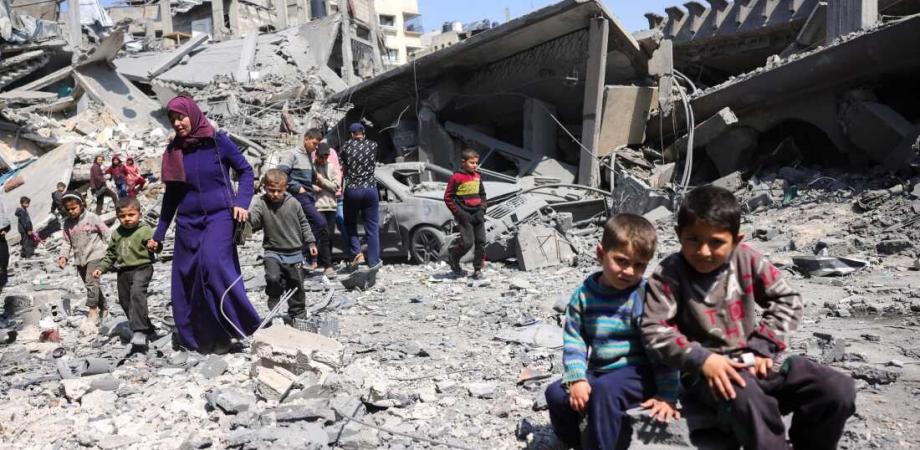
SAFA — A growing meningitis outbreak is threatening Palestinian children in the Gaza Strip, where overcrowded displacement camps, shortages of essential medicines and the destruction of health care infrastructure have left hospitals struggling to diagnose and treat potentially life-threatening infections.
At Nasser Medical Complex in southern Gaza, young Ahmed Mohammed al-Aqqad has spent six days battling high fever and severe seizures.
His grandmother remains beside his hospital bed, watching his condition with growing fear as medical staff struggle with shortages of essential medicines and diagnostic resources.
Ahmed's suffering reflects a wider health emergency affecting Palestinian families already enduring displacement, deteriorating living conditions and limited access to medical care.
According to figures cited from the United Nations Office for the Coordination of Humanitarian Affairs (OCHA), approximately 413 suspected meningitis cases were recorded between late September and the end of October.
Health authorities also reported 12 deaths associated with meningitis over the preceding two months, raising concerns about the consequences of delayed diagnosis and treatment.
Figures documented through early November indicated that infants younger than one year accounted for approximately 77% of registered cases, highlighting the particular vulnerability of Gaza's youngest children.
Limited laboratory testing had confirmed at least 10 cases of bacterial meningitis, a potentially life-threatening form of the disease that requires urgent medical treatment.
Gaza's Children Face a Growing Health Emergency
Meningitis is an inflammation of the protective membranes surrounding the brain and spinal cord. It can be caused by bacterial, viral or other infections, with bacterial meningitis requiring particularly urgent treatment.
Symptoms can include high fever, severe headache, vomiting, seizures and altered consciousness.
Infants and young children may be especially vulnerable, and delays in diagnosis or appropriate treatment can lead to serious complications or death.
In Gaza, the crisis is unfolding amid severe damage to hospitals, shortages of medicines and diagnostic equipment, and the disruption of essential health services.
Medical workers are struggling to respond to suspected infections while caring for large numbers of patients in facilities operating under extraordinary pressure.
The shortage of laboratory testing also makes it difficult to determine the precise causes of suspected cases and assess the full extent of the outbreak.
For families such as Ahmed's, these limitations can mean prolonged uncertainty as children fight serious illnesses without reliable access to the care they need.
Overcrowded Displacement Camps Increase Health Risks
The spread of infectious diseases has become a major concern in Gaza's overcrowded displacement shelters, where families often live in tents and makeshift structures with inadequate sanitation and limited access to clean water.
Certain bacteria and viruses that cause meningitis can spread through close contact and respiratory secretions, making crowded living conditions a particular concern.
Repeated displacement has also made it more difficult for families to maintain hygiene, obtain medical attention and protect vulnerable children from infection.
The deterioration of Gaza's water, sanitation and health care systems has compounded these risks.
Palestinian health workers have warned that restrictions on the entry of medical supplies and the extensive destruction of health facilities are undermining their ability to respond to serious illnesses.
For children already weakened by malnutrition or other health problems, delayed access to treatment can be especially dangerous.
Medical Shortages Complicate Diagnosis and Treatment
Health workers in Gaza face serious obstacles in diagnosing suspected meningitis cases and providing timely treatment.
Laboratory testing is essential for identifying the cause of meningitis and determining the most appropriate medical response.
Bacterial meningitis can often be treated with antibiotics when diagnosed and managed promptly, but delays can result in severe neurological complications or death.
The limited availability of diagnostic equipment, medicines and specialist care has raised concerns about whether Gaza's remaining hospitals can adequately respond to the reported increase in cases.
The destruction and disruption of health facilities have also affected routine preventive services, including childhood immunization programs.
Interruptions to vaccination can leave children more vulnerable to certain infections that cause meningitis, although the available figures do not establish the vaccination status or causes of infection in individual cases.
Calls for Urgent Medical Supplies and Protection for Children
Palestinian medical workers and humanitarian advocates have called for the urgent entry of medicines, diagnostic equipment and other essential health supplies to prevent further deterioration.
They have also emphasized the need to restore health services, improve conditions in displacement shelters and facilitate medical evacuations for critically ill children who cannot receive appropriate treatment inside Gaza.
The reported outbreak underscores the broader public health consequences of prolonged displacement and the breakdown of essential services.
For Palestinian families struggling to protect their children amid the destruction of Gaza's health care system, illnesses that require urgent medical intervention have become another source of fear.
As suspected meningitis cases continue to place pressure on overstretched hospitals, ensuring timely diagnosis, effective treatment and access to preventive care remains critical to protecting Gaza's youngest and most vulnerable residents.
Source : Safa News


