
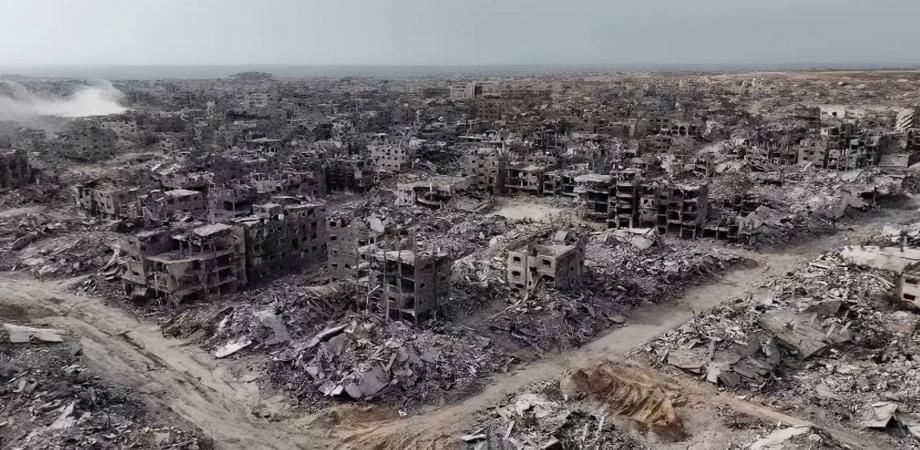
SAFA — Four Palestinians have been killed, dozens injured, and two others remain missing after powerful winter storms swept across the Gaza Strip, causing sand embankments and damaged walls to collapse onto displacement tents, Gaza's Government Media Office (GMO) announced Monday.
The office warned that the deadly consequences of the storms were compounded by widespread infrastructure destruction and continuing Israeli restrictions on the entry of essential shelter, reconstruction, and emergency response supplies.
Among those affected were women and children living in makeshift shelters after more than two years of war and repeated displacement.
According to the GMO, approximately 70,000 displacement tents were flooded within just 12 hours, leaving thousands of families exposed to heavy rainfall, cold temperatures, and muddy floodwaters across hundreds of displacement camps.
Preliminary estimates placed direct material losses at approximately $3 million.
Destroyed Infrastructure Turns Heavy Rain Into a Humanitarian Disaster
The Government Media Office stressed that the scale of the flooding could not be separated from the destruction of Gaza's essential infrastructure during Israel's military offensive.
According to the office, more than 90% of the territory's infrastructure has been destroyed, including sewage networks and stormwater drainage systems that previously helped protect residential areas from flooding.
With these systems severely damaged, even relatively brief periods of heavy rainfall can inundate displacement camps and overwhelm already limited municipal services.
The office said an initial storm lasting two days had caused extensive damage before another weather system further worsened conditions.
Floodwaters swept through overcrowded camps, soaking mattresses, blankets, clothing, and other essential belongings, while families struggled to keep water out of their tents.
Israeli Restrictions Leave Displaced Families in Unsafe Areas
The GMO accused Israel of worsening the crisis by maintaining restrictions that limit the availability of safe areas for displaced Palestinians.
It said the movement of the so-called Yellow Line had further reduced the space available to families seeking shelter, forcing more people into overcrowded locations lacking adequate drainage, sanitation, and protection from severe weather.
The office also accused Israeli authorities of obstructing the entry of materials needed to repair sewage and drainage networks, along with tents, prefabricated housing units, construction supplies, fuel, and spare parts.
It warned that shortages of heavy machinery and essential equipment were severely limiting the ability of municipal authorities and Civil Defense teams to respond to flooding, clear debris, and address dangerous structures.
Damaged Buildings Threaten Further Casualties
Beyond the flooding of displacement tents, the Government Media Office warned that dozens of buildings damaged by Israeli bombardment remained at risk of collapse.
Heavy rainfall and water infiltration could further weaken cracked walls, damaged foundations, and unstable structural supports, threatening both residents and people living nearby.
The office said the danger was particularly severe for families who continued to occupy damaged buildings because they lacked safer alternatives.
It called for urgent measures to protect displaced residents from further collapses as winter weather intensifies.
Gaza Holds Israel and International Actors Responsible
The Government Media Office held Israel, the United States administration, and the international community responsible for what it described as the worsening humanitarian catastrophe.
It also criticized the absence of the Board of Peace and the National Committee for Gaza Administration from emergency response efforts, urging both bodies to take immediate action to address the needs of displaced families.
The office called on international humanitarian and human rights organizations, particularly the United Nations, to intervene urgently and press Israel to open Gaza's crossings.
It demanded the unrestricted entry of emergency shelter supplies, heavy machinery, fuel, spare parts, and materials needed to repair essential infrastructure.
The GMO also urged local shelter committees and residents to cooperate with municipal teams and facilitate emergency operations, including efforts to open sand quarries within municipal areas to support flood-control work and protect remaining tents.
With additional winter storms threatening already vulnerable displacement camps, the office warned that further delays in delivering shelter materials and restoring essential services could expose more families to flooding, structural collapses, and other life-threatening conditions.
Source : Safa News


