
DaysOfPal — More than two million Palestinians in the Gaza Strip are facing worsening winter conditions as Israeli restrictions prevent approximately 150,000 tents and other essential humanitarian supplies from entering the besieged territory, leaving displaced families exposed to heavy rainfall, flooding, and freezing temperatures.
Severe storms have swept across Gaza, flooding tens of thousands of makeshift shelters and leaving families struggling to protect themselves from rain and strong winds.
Yet approximately 150,000 tents and other urgently needed relief supplies remain outside Gaza, unable to reach displaced Palestinians because of Israeli restrictions on humanitarian access.
The humanitarian crisis has already claimed lives. According to local reports, five Palestinians, including three children, died in weather-related incidents over the weekend.
For families living in worn-out tents, the arrival of winter has intensified an already desperate struggle for survival.
Flooded Tents and Destroyed Infrastructure Deepen Gaza's Crisis
Heavy rainfall has inundated displacement camps across Gaza, soaking mattresses, clothing, blankets, and the few belongings families managed to preserve through months of displacement.
Many tents offer little protection against strong winds and rain, leaving children, older people, and those with chronic illnesses particularly vulnerable.
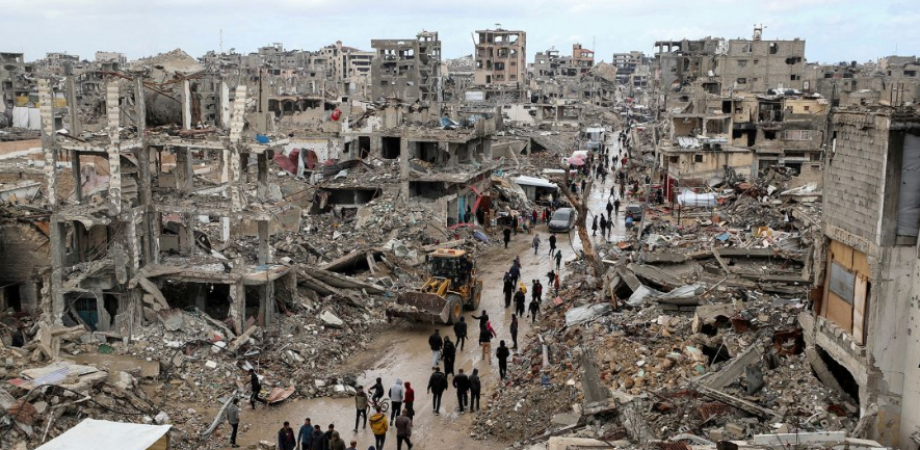
The flooding has been compounded by extensive destruction to Gaza's civilian infrastructure during Israeli military operations.
According to local estimates, approximately 90% of the territory's infrastructure has been damaged or destroyed, including essential sewage and stormwater drainage networks.
With drainage systems severely damaged and repair equipment in short supply, rainwater accumulates in densely populated displacement areas, increasing the risk of flooding and sanitation-related illnesses.
Humanitarian organizations have repeatedly warned that the entry of tents, shelter materials, and equipment needed to restore essential services is critical to protecting displaced families during winter.
Israeli Strike Targets Personnel Securing Aid Deliveries
The humanitarian crisis has been further complicated by continued Israeli military attacks and disruptions to aid distribution.
On Sunday, Israeli forces reportedly struck a civilian checkpoint used to organize and secure commercial aid trucks entering Gaza, killing several employees of the Palestinian Ministry of Economy who were on duty.
Gaza's Government Media Office condemned the attack, accusing Israel of deliberately targeting personnel responsible for protecting supply chains and facilitating the distribution of essential goods.
The office said the strike threatened efforts to maintain orderly deliveries and warned that attacks on aid-related personnel could deepen shortages and disrupt humanitarian operations.
The Israeli military's account of the incident was not included in the available report.
Aid Deliveries Fall Far Short of Ceasefire Commitments
According to Gaza's Government Media Office, Israel has allowed only 77,657 aid trucks into the territory since the ceasefire took effect on October 10, 2025.
The office said the figure represents approximately one-third of the 232,800 trucks expected under the agreement.
The reported shortfall has raised concerns about the availability of food, medicines, shelter supplies, and other essential goods needed by Gaza's civilian population.
Around 1.6 million Palestinians are estimated to depend entirely on humanitarian assistance for their basic needs, according to the report.
Aid organizations have warned that restrictions on the entry of humanitarian supplies are particularly dangerous as winter storms damage temporary shelters and increase the need for emergency relief.
Four Countries Demand Entry of 150,000 Tents
International calls for expanded humanitarian access have intensified amid the worsening weather.
On Sunday, November 15, the foreign ministers of the United Kingdom, Italy, Australia, and Canada issued a joint statement urging Israel to allow immediate, rapid, and unhindered humanitarian access to Gaza.
The ministers highlighted the approximately 150,000 tents and other essential supplies awaiting entry, warning that displaced Palestinians urgently need shelter as winter conditions deteriorate.
They called for border crossings to be opened and for restrictions on materials required for humanitarian operations and early recovery to be eased.
The statement followed a Saturday appeal from the European Union urging Israeli authorities to reopen border crossings and facilitate the delivery of supplies needed to restore essential services.
Earlier in the week, a coalition of 53 countries and international organizations also reportedly called for urgent medical assistance, winter relief supplies, and implementation of relevant UN Security Council resolutions.
Displaced Families Face Another Winter Without Adequate Shelter
Despite growing international pressure, displaced Palestinian families continue to face severe shortages of adequate shelter and basic necessities.
Heavy rains, damaged infrastructure, restrictions on humanitarian supplies, and continued military attacks have combined to worsen conditions across the territory.
For families living in overcrowded displacement camps, every additional storm brings the risk of losing their remaining belongings, suffering exposure to cold weather, or facing dangerous flooding.
Humanitarian organizations have emphasized that the entry of shelter materials and equipment to repair water, sewage, and drainage systems is urgently needed to prevent further suffering.
With approximately 150,000 tents still awaiting entry, thousands of displaced families remain exposed to winter storms without the protection they urgently need.
Source : Safa News


