
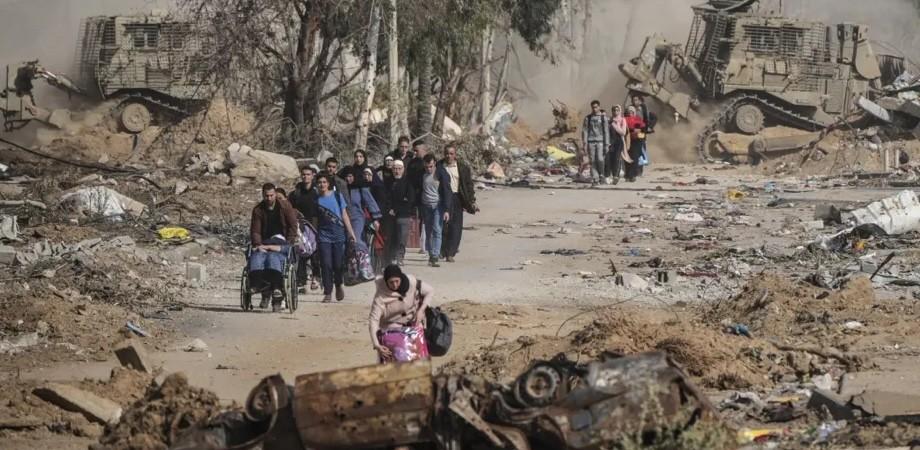
DaysOfPal — Israel has allowed significantly fewer humanitarian aid and commercial trucks into the Gaza Strip than required under ceasefire commitments, according to data obtained by the Israeli newspaper Haaretz, raising concerns over continuing shortages of medical supplies, shelter materials, and essential equipment as winter approaches.
Under the agreement cited in the report, approximately 4,200 trucks carrying humanitarian assistance and commercial goods are expected to enter Gaza each week, equivalent to roughly 18,200 trucks per month.
However, figures obtained from the U.S. coordination center in Kiryat Gat indicate that truck deliveries have remained substantially below that benchmark in most months since March.
According to Haaretz, the figures were compiled using information from Israel's Coordinator of Government Activities in the Territories (COGAT) and corroborated with United Nations data.
Aid Deliveries Remain Below Agreed Levels
The report showed that approximately 4,700 trucks entered Gaza in March, followed by 5,300 in April and more than 9,600 in May.
Deliveries exceeded 12,000 trucks in June before falling to around 10,000 in each of July and August.
More than 13,000 trucks entered Gaza in September, but the figure dropped sharply to just over 6,500 in October.
By mid-November, nearly 4,000 trucks had entered the territory, according to the report.
Although the November figure covers only part of the month, the data indicate that deliveries in previous months were consistently below the approximately 18,200 trucks expected under the reported weekly benchmark.
Haaretz also reported that COGAT had stopped publishing comprehensive totals of trucks entering Gaza, instead releasing selected figures, including the number of tents delivered ahead of winter.
Most Goods Enter Gaza Through Israel
According to the data cited by Haaretz, most trucks entering Gaza since March carried goods sourced in Israel.
Approximately 48,769 trucks transported goods from Israel, while more than 13,500 came from Egypt.
More than 7,000 trucks carried supplies through a maritime route involving Cyprus and the Israeli port of Ashdod, approximately 3,500 came from Jordan, and more than 2,300 originated in the occupied West Bank.
Food accounted for an estimated 70% to 80% of the total weight of goods entering Gaza, according to Arnon Khoury-Yavin, an economist with the Israeli Humanitarian Forum, cited in the report.
The heavy concentration of food shipments has raised concerns about the limited availability of other essential supplies, including medical equipment, shelter materials, and infrastructure repair components.
Gaza's Agricultural Sector Remains Devastated
The report also highlighted the destruction of Gaza's agricultural sector, which has severely weakened the territory's ability to produce food locally.
According to UN estimates cited by Haaretz, only about 3% of Gaza's prewar farmland is currently being cultivated, while approximately 5% of its former livestock remains.
Despite the reduced number of trucks entering Gaza, the report noted that lower delivery totals do not necessarily indicate an equivalent shortage of basic food.
It cited UN assessments indicating that most requests for staple foods were being met.
However, shortages remain particularly severe for other essential goods, including medical equipment, shelter supplies, and materials needed to repair damaged infrastructure.
Israeli Restrictions Delay Medical and Shelter Supplies
Haaretz reported that Israel continues to impose restrictions on goods classified as potentially having “dual use,” meaning items authorities say could serve both civilian and military purposes.
Some supplies, including tents, medicines, and chemicals used in water treatment, reportedly face additional inspection requirements.
Humanitarian organizations have warned that these restrictions delay the delivery of materials urgently needed by Gaza's civilian population.
The shortages have become increasingly dangerous as winter weather threatens displaced families living in tents and damaged buildings.
Aid organizations and Gaza municipal authorities have warned that the lack of equipment needed to repair drainage and sewage systems has left displacement camps vulnerable to flooding and wastewater contamination.
Aid Organizations Face Additional Restrictions
The report also described Israeli restrictions affecting humanitarian organizations operating in Gaza.
According to Haaretz, Israel has prevented some aid groups from operating and recently halted shipments from the Egyptian Red Crescent and other organizations through the Rafah crossing.
Israeli authorities reportedly justified the restrictions by alleging that tobacco products had been smuggled in humanitarian shipments.
The report did not establish whether those allegations had been independently verified.
The restrictions have added to concerns about the ability of humanitarian organizations to deliver essential assistance to Palestinians already facing severe shortages.
International Calls to Allow More Aid Into Gaza
Countries around the world have urged Israel to facilitate the entry of food, medicine, shelter materials, and other humanitarian supplies into Gaza, particularly as winter conditions worsen.
The appeals have emphasized the urgent need to ensure that displaced families have access to adequate shelter and that humanitarian organizations can deliver equipment necessary to maintain essential services.
The figures reported by Haaretz highlight the gap between the volume of supplies expected under the cited ceasefire commitments and the number of trucks actually entering the territory.
As winter approaches, continued restrictions on shelter materials, medical equipment, and infrastructure supplies threaten to deepen the humanitarian crisis facing Palestinians across Gaza.
Source : Safa News


