
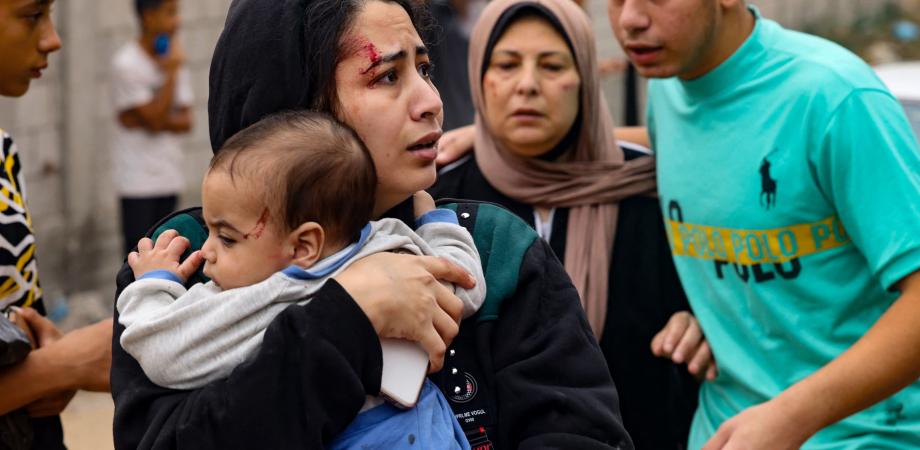
SAFA — One in four Palestinian households in the Gaza Strip is now headed by a woman, as Israel's war and widespread displacement have left women struggling to provide food, shelter and basic necessities for their families, according to the United Nations.
Speaking at a UN press briefing in New York, Deputy Spokesperson Farhan Haq cited figures from UN Women showing that female-headed households in Gaza face particularly severe living conditions, including inadequate shelter, limited access to essential services and heightened economic insecurity.
Many women have become the primary caregivers for children and other vulnerable family members while coping with displacement, the loss of relatives and the psychological effects of prolonged violence.
According to UN Women, households headed by women are more likely to live in unsafe or inadequate shelters, leaving them particularly vulnerable as winter conditions worsen.
Winter Storms Deepen Gaza's Humanitarian Crisis
Heavy rainfall and flooding in early November damaged displacement sites across Gaza, exposing families living in tents and makeshift shelters to additional risks.
The storms also damaged approximately 200 temporary learning spaces, representing nearly one-third of the educational sites operating in the territory, according to the UN.
The destruction has further disrupted children's access to education, while cold weather and deteriorating shelter conditions have increased the need for winter assistance.
Haq stressed the urgency of providing humanitarian supplies to help displaced families withstand winter storms and falling temperatures.
Humanitarian Funding Remains Critically Low
The UN also warned of a substantial funding gap in its humanitarian response.
According to figures cited during the briefing, its $4.1 billion humanitarian appeal for Gaza and the occupied West Bank had received only 35 percent of the required funding.
The shortfall has limited humanitarian organizations' ability to provide essential assistance to displaced families facing shortages of food, clean water, shelter and other basic necessities.
Responding to questions about the impact of the crisis on children, Haq reaffirmed the UN's commitment to protecting the rights of Palestinian children and addressing their humanitarian needs.
The figures highlight the growing pressure on women caring for their families amid displacement, inadequate shelter and limited humanitarian assistance, particularly as winter conditions threaten to deepen Gaza's humanitarian emergency.
Source : Safa News


