
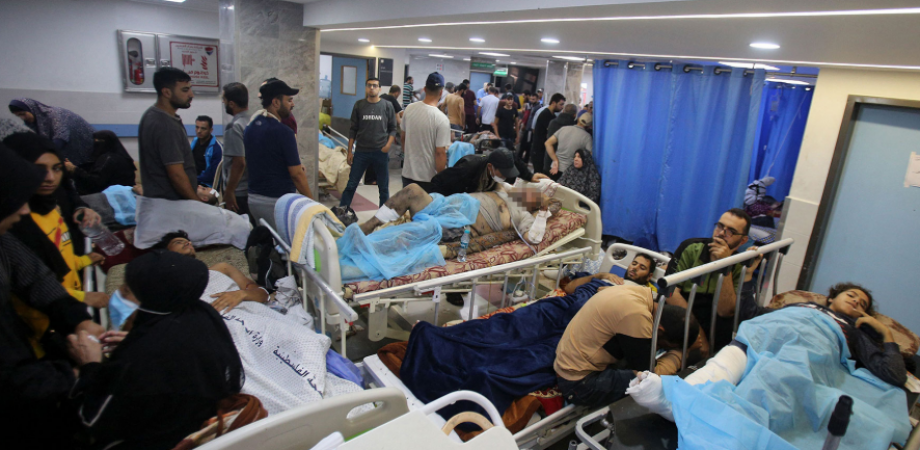
SAFA- A rapidly escalating meningitis outbreak has claimed the lives of 15 Palestinians in Gaza, prompting health authorities to declare a public health alert as widespread infrastructure destruction, sewage contamination, overcrowded displacement camps, and severe medical shortages threaten thousands of lives.
Gaza’s Health Ministry recorded 272 meningitis cases in October alone, compared with the usual monthly figure of 30 to 50, marking an alarming surge in infections across a territory struggling with the consequences of Israel’s military campaign and restrictions on essential humanitarian supplies.
Dr. Nidal Ghneim, deputy director general of primary healthcare for public health at the ministry, confirmed that 15 Palestinians have died from meningitis since the beginning of 2026, including five deaths between August and October.
Health authorities are particularly concerned about bacterial meningitis, a potentially fatal infection that can cause permanent neurological damage. Monthly cases surged to 108 in October, compared with the previous monthly figure of 10 to 20.
Another 100 meningitis infections were recorded during the first weeks of November, underscoring the growing scale of the emergency.
Laboratory tests have also confirmed the circulation of enterovirus-associated viral meningitis. However, shortages of essential laboratory equipment and testing supplies have prevented medical teams from identifying the genetic subtypes of circulating viruses.
Destroyed Infrastructure Creates Conditions for Disease
Health officials have linked the outbreak to the catastrophic deterioration of Gaza’s environmental and sanitary conditions following years of Israeli military operations and restrictions on essential supplies.
The widespread destruction of water networks, sewage systems, and wastewater treatment facilities has exposed Palestinian communities to contaminated drinking water and untreated sewage.
Heavy rainfall and flooding have further intensified the crisis, particularly in overcrowded displacement camps where families live in deteriorating tents without adequate sanitation or reliable access to clean water.
Children and infants face particularly serious risks as families struggle to maintain basic hygiene under conditions of prolonged displacement and deprivation.
Meanwhile, Gaza’s devastated healthcare system is struggling to diagnose infections, provide timely treatment, and contain emerging disease outbreaks.
According to the Health Ministry, Israeli restrictions on the entry of maintenance equipment, sterilization materials, and fuel have further undermined efforts to restore water and sanitation services and contain environmental health hazards.
Gaza’s Health Ministry Demands Emergency Intervention
The Health Ministry has called on the World Health Organization (WHO) and UNICEF to activate an emergency response plan and urgently deliver laboratory supplies, antibiotics, medical equipment, and resources needed to establish appropriate isolation facilities.
It also urged international organizations to pressure Israel to remove restrictions on essential medical supplies and facilitate the rehabilitation of Gaza’s damaged water and sanitation infrastructure.
Health authorities have warned residents to seek immediate medical attention if they develop symptoms including sudden fever, severe headaches, neck stiffness, or repeated vomiting.
They have also emphasized the importance of frequent handwashing and access to safe drinking water — basic preventive measures that remain increasingly difficult for displaced Palestinians to follow amid widespread destruction and shortages.
A Preventable Public Health Catastrophe
The meningitis outbreak exposes another devastating consequence of Gaza’s humanitarian crisis: the growing threat of infectious diseases in communities deprived of safe water, adequate sanitation, and functioning healthcare services.
For Palestinian families who have survived bombardment, displacement, and the destruction of their homes, infectious diseases now represent another potentially deadly threat.
With 15 reported deaths, hundreds of infections, and severely depleted medical resources, Gaza faces an escalating public health emergency that cannot be contained through medical treatment alone.
Preventing further deaths requires immediate humanitarian access, the restoration of essential healthcare services, and the rehabilitation of water and sanitation networks.
Without urgent intervention, more Palestinian lives, particularly those of children and infants, could be lost to diseases that timely medical care and adequate public health infrastructure could help prevent.
Source : Safa News


