
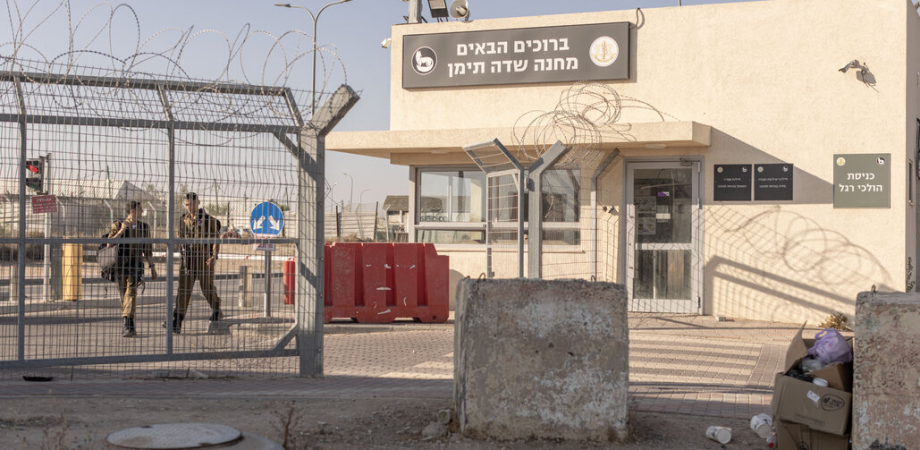
Across Europe, a growing wave of public mobilisation has taken shape around a simple but striking symbol: red ribbons tied on fences, trees, backpacks, and public buildings. What began as a modest act in the United Kingdom has evolved into one of the most visible expressions of solidarity with Palestinian prisoners held inside Israeli prisons, especially as new testimonies emerge describing severe mistreatment and degrading conditions during the ongoing genocidal war.
In recent weeks, cities across the continent have seen demonstrations, student gatherings and union-led events drawing attention to the situation of prisoners whose accounts speak of physical and psychological torment, sexual harassment, and conditions described by observers as the harshest in decades. The “Red Ribbons Campaign” has quickly become a rallying point, expanding as public anger deepens over the treatment of detainees and the involvement of European firms supplying technology and services linked to prison operations.
Organisers say the campaign has spread because communities are witnessing first-hand stories from released prisoners, even as journalists and activists face legal restrictions. Several were recently detained in Belgium, France, Italy and the Netherlands for activities linked to supporting Palestinian rights or protesting against European companies involved in the arms sector. Despite this pressure, the movement has grown into one of the broadest solidarity efforts in Europe in recent memory, circulating the names, faces, and stories of prisoners in public spaces.
Campaign organisers describe a significant shift in European public sentiment: what was once a marginal cause has become a political pressure point. Expanding student movements, labour unions and boycott networks have added momentum, with several governments reportedly delaying or reviewing arms deals amid sustained public scrutiny. Many activists argue that the mobilisation is no longer momentary but has become a structured, ongoing challenge to European policies viewed as enabling abuses during the genocidal war.
Human rights advocates now argue that symbolic solidarity must evolve into legal action. They call for activating UN mechanisms relating to torture prevention, arbitrary detention and the right to life, as well as submitting detailed case files to the International Criminal Court documenting deaths and mistreatment inside detention facilities. Lawyers emphasise that Palestinian organisations are fully entitled to bring forward such evidence, whether independently or through international legal partnerships.
For campaigners, the growing movement marks a moral and legal imperative: to protect prisoners, curb further violations, and push for accountability. As the red ribbons multiply across European streets, they represent a call for justice that organisers insist can no longer be ignored.
Source : Safa News


