
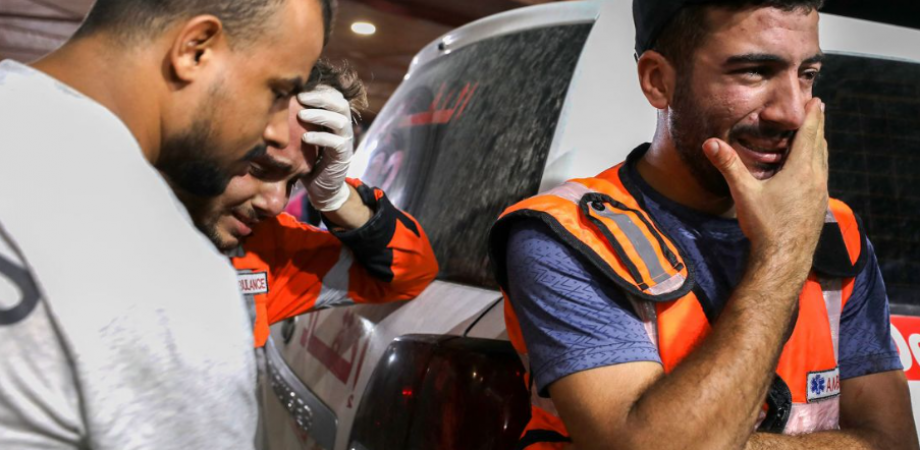
Humanitarian work in Gaza is nearing paralysis as new barriers choke the delivery of basic assistance, even as the wider devastation of a genocidal war continues to shape daily life. Relief workers warn that access routes have been narrowed, approvals delayed and movements curtailed to the point where operations that keep people alive are no longer sustainable. The result is a population already worn down by months of destruction now facing a deliberate squeezing of the means to survive.
Central to the crisis is a newly imposed registration regime for international charities, introduced earlier this year. Those working on the ground describe the system as opaque and politically charged, leaving organisations unable to comply without abandoning core humanitarian principles. Many fear being struck off within weeks, a move that would force them to shut down entirely. Such an outcome would not be a technical adjustment but a sudden rupture in the fragile network that provides food, water, shelter and medical care.
The withdrawal of these organisations would have immediate consequences. Emergency clinics and field hospitals rely heavily on their support, as do water purification systems, sanitation services and programmes treating severely malnourished children. Aid officials caution that local groups and remaining structures lack the capacity to replace this support, particularly after earlier restrictions weakened existing relief channels. One in three health facilities could close almost overnight, cutting tens of thousands of people off from care.
Those coordinating relief efforts say repeated warnings and proposals have been raised with the authorities enforcing the restrictions, yet no meaningful changes have followed. They stress that access for humanitarian assistance is not a matter of discretion but a legal obligation. Without swift action to allow unimpeded aid and to protect the independence and safety of those delivering it, they warn that the civilian toll will deepen, turning an already catastrophic situation into one from which recovery will be even harder to imagine.
Source : Safa News


