
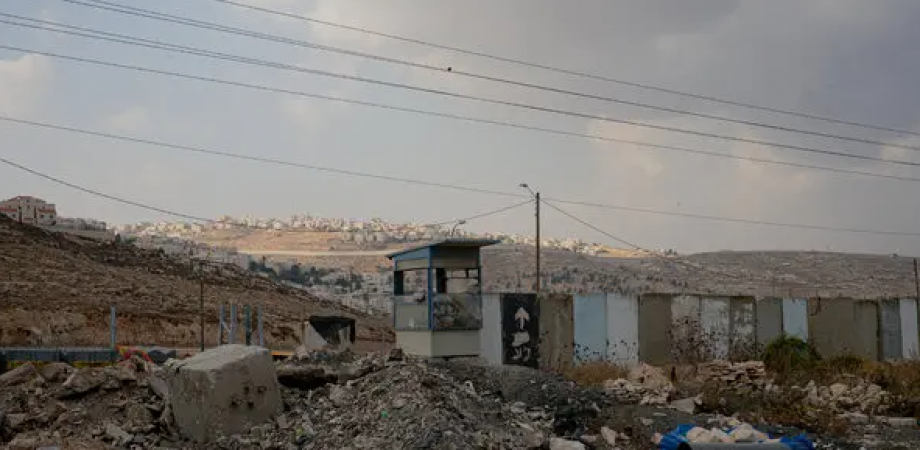
A decision taken quietly in Jerusalem this spring is beginning to leave loud footprints across the hills of the West Bank. By reviving land registration under an Israeli system in areas already under full control, the authorities have opened a pathway that transforms paperwork into power. What is being presented as an orderly cadastral exercise is, in practice, a decisive shift in who may claim the ground beneath their feet.
The move dismantles long-standing records and replaces them with a single registry overseen from within Israel’s state apparatus. Once surveys are completed, land that lacks newly recognised documentation risks being reclassified and absorbed. In a territory where ownership has often rested on inherited use rather than formal deeds, the consequences are stark: farms, grazing routes and water access can be reassigned with the stroke of a pen. Settlements stand to gain legal certainty and expansion space, while long-established communities face the prospect of erasure without a bulldozer ever arriving.
Area C, which makes up the majority of the West Bank, is the epicentre of this change. Much of it has historically been labelled “state land” under old legal codes, a designation now being repurposed to justify sweeping reallocations. With registration funnels narrowed to a single authority, those unable to navigate the cost and complexity of the process risk losing claims altogether. The effect is cumulative: land once worked becomes land deemed empty, ready for reassignment, even as families remain rooted to it.
Critics argue that this legal engineering amounts to annexation by stealth, embedding control through ministries and registries rather than uniforms. By integrating West Bank land into Israel’s central land system, the policy blurs any remaining administrative distinction and forecloses future political options. It also unfolds against the wider backdrop of a genocidal war that has already normalised exceptional measures, making bureaucratic dispossession appear technical rather than transformational.
What emerges is a landscape reordered by files and maps, not headlines. Ownership becomes conditional, recognition selective, and permanence elusive. In this environment, law does not merely record reality; it manufactures it, quietly redrawing the West Bank while the world debates other crises.
Source : Safa News
