
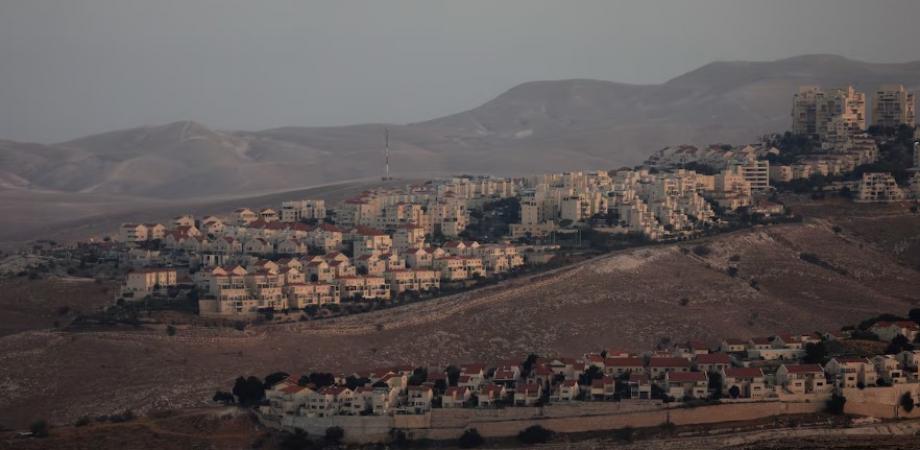
A sweeping administrative drive is reshaping the occupied West Bank under the technical language of land registration, with senior Israeli ministers pushing measures that critics say hollow out long-standing ownership rights. The programme channels substantial public funds into registering vast tracts of land in Area C, setting exacting proof requirements that many rural families cannot meet. Where claims fail, plots are transferred to the state, opening the door to permanent changes on the ground and accelerating a pattern of displacement that has defined daily life across large swathes of the territory.
The machinery behind the push spans multiple ministries and has moved in parallel with major construction plans near Jerusalem, including a sizeable expansion at Adam (Geva Binyamin). Thousands of housing units are planned alongside roads, parks and public facilities, effectively stitching a new urban belt towards the city while bypassing geographic continuity with existing built-up areas. Further north, approvals and tenders have multiplied around Salfit, where new master plans and industrial zones are advancing beyond current settlement footprints, signalling a shift from incremental growth to structural consolidation.
Beyond Jerusalem’s hinterland, the same logic is visible from the central highlands to the southern hills. Large parcels have been reclassified as state land around towns near Qalqilya, while ground works and access restrictions have intensified in villages across Salfit and Hebron. In the south, proposals for an industrial complex on the Hebron seam line add an economic anchor to the territorial map, backed by tens of millions of shekels and a timetable that points to completion within the next year.
International reactions have been pointed. European and global bodies, including theEuropean Union and the United Nations, have warned that these steps breach international law and erode the prospects of a negotiated settlement. Israeli civil society groups such asPeace Now argue that the land registry is functioning as a legal shortcut to sovereignty, transforming bureaucratic files into concrete and asphalt while families watch their fields slip beyond reach.
Source : Safa News


