
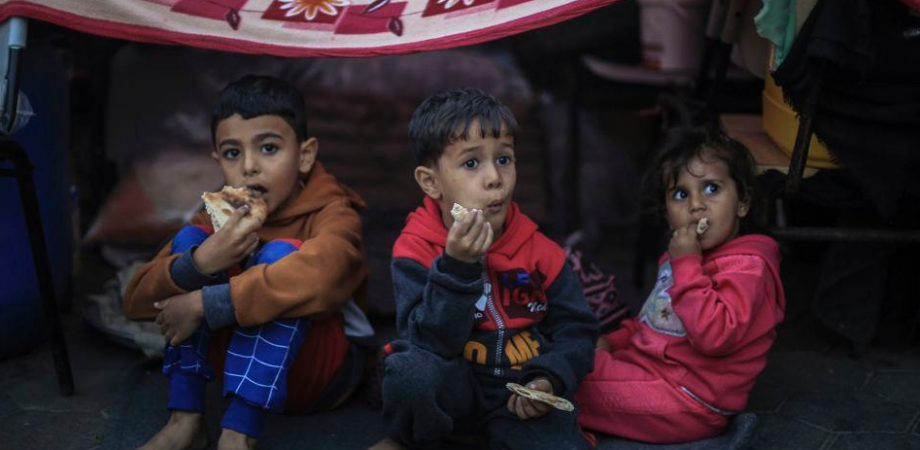
A fragile ceasefire has done little to ease the humanitarian catastrophe unfolding across the Gaza Strip. As winter deepens, families already weakened by prolonged hunger and displacement are now battling cold, flooding and exposure in a territory left in ruins by years of genocidal war. Aid enters sporadically, insufficient to meet even the most basic needs, while daily life is reduced to survival under canvas, rubble and rain.
Across southern and central Gaza, displaced families crowd into makeshift tents or partially destroyed buildings, many of which collapse under strong winds and heavy downpours. Parents describe children shivering through the night, soaked and terrified, as storms turn camps into pools of mud and stagnant water. With most permanent housing damaged or destroyed, millions endure a third consecutive winter without adequate shelter, heating or protection from disease.
Food scarcity remains acute. Although some goods appear in markets, prices are beyond reach and nutritional value is dangerously low. Medical workers warn of widespread weight loss, acute malnutrition and severe risks for newborns whose mothers have endured prolonged hunger. Protein shortages are driving a steady rise in critical cases among children, while access to clean water and hygiene supplies remains sharply limited.
Relief organisations report that essential materials, tents, waterproof coverings, mattresses and winter clothing, continue to be blocked or delayed under security justifications, leaving thousands exposed. Flooding has already damaged tens of thousands of shelters, and further storms threaten to worsen conditions. The humanitarian response, workers on the ground say, amounts to little more than a fraction of what is urgently required.
Despite claims of calm, explosions and air strikes are still heard regularly, underscoring the fragility of the ceasefire. Since late October, hundreds of civilians have reportedly been killed, reinforcing fears that the genocidal war persists in practice even as diplomacy speaks of restraint. For Gaza’s population, winter has become another front in a struggle marked by loss, deprivation and abandonment.
Source : Safa News


