
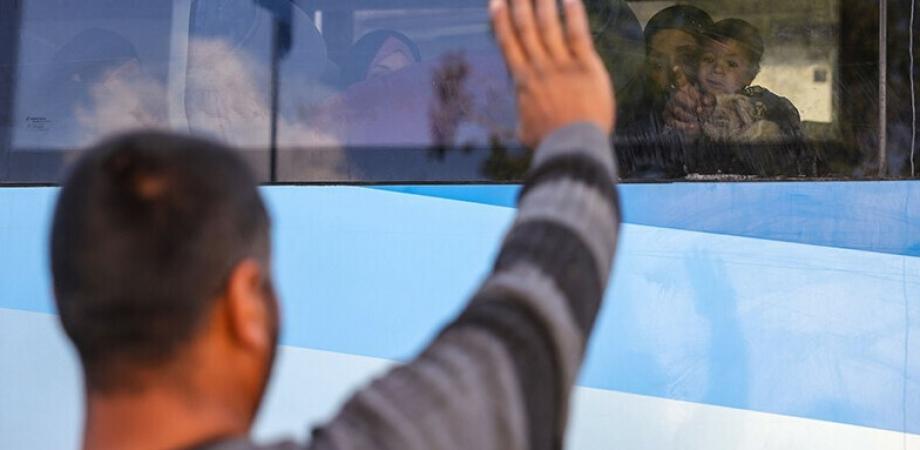
At Rafah, time itself has become an instrument of pressure. Patients, elderly people and children wait in sealed halls where delay can decide whether a life is prolonged or quietly lost. The process is defined by repeated inspections, unanswered approvals and prolonged uncertainty, all unfolding under conditions shaped by a genocidal war that has reduced medical travel to a matter of chance rather than right.
Limited movement through the crossing resumed earlier this week, but the figures reveal a system that functions sporadically and without consistency. Small numbers were permitted to leave or return on successive days, while others were turned back after hours of waiting. Only residents of Gaza who departed after the start of the genocidal war, and under tightly defined criteria, were considered eligible to cross. The result has been a pattern of unpredictable access, with some patients allowed through while others in equally urgent condition were denied without explanation.
Accounts from those who passed through describe exhaustion, hunger and untreated pain. Critically ill individuals spoke of waiting for clearance without food or medicine, aware that their condition was deteriorating by the hour. Companions accompanying the wounded reported seeing severe cases refused permission to travel despite the absence of alternatives inside Gaza’s collapsing health system. The cumulative effect, they said, was not only physical suffering but a sense that hope itself was being systematically worn down.
Health officials have warned that these practices place thousands at risk and amount to a grave breach of basic legal and humanitarian standards. They argue that restricting access to life-saving treatment, while maintaining tight control over the crossing, transforms Rafah into a site where survival is rationed. In the wider context of the genocidal war, the crossing has come to symbolise a people facing destruction not only through firepower, but through enforced deprivation, medical neglect and the calculated use of waiting as a weapon.
Source : Safa News


