
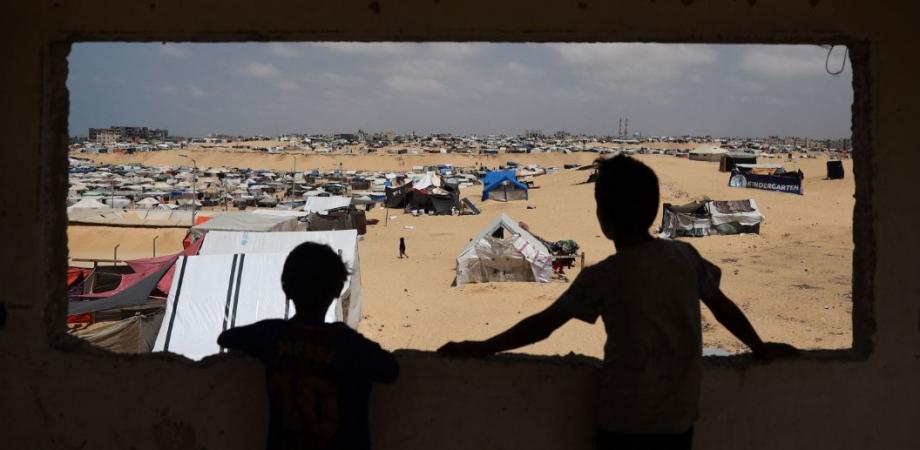
In the sprawl of Gaza’s displacement camps, children with autism are being pushed to the margins of survival. Families describe lives stripped of routine, safety and care, as a genocidal war has dismantled the health system and erased what little specialised support once existed. Tents packed tightly together, relentless noise and repeated uprooting have created an environment that is deeply destabilising for children who depend on predictability to function and feel secure.
Parents say there are no safe or quiet spaces, no learning materials and no access to therapy. The professionals who once provided behavioural support, speech therapy and tailored education are largely absent, either displaced themselves or unable to work. For many children, years of slow progress have been undone in a matter of months. What was once a fragile sense of independence has given way to anxiety, withdrawal and distress, as families struggle alone to meet complex needs with no institutional backing.
Fathers and mothers speak of children overwhelmed by sound and movement, unable to cope with the constant disruption of camp life. Sudden loud noises, crowded surroundings and the loss of familiar routines have triggered panic, prolonged crying and severe behavioural regression. Attempts to improvise, carving out quiet corners in tents or using basic coping tools, offer little comfort in a setting defined by instability and fear.
Those working in the field of disability care warn that the impact goes beyond immediate distress. The genocidal war, they say, has imposed a layered trauma: the direct psychological toll of violence, compounded by the disappearance of rehabilitation and mental health services. With centres destroyed or shut down, children with autism are left without treatment or protection, facing long-term consequences that may shape their development for years to come.
Source : Safa News


