
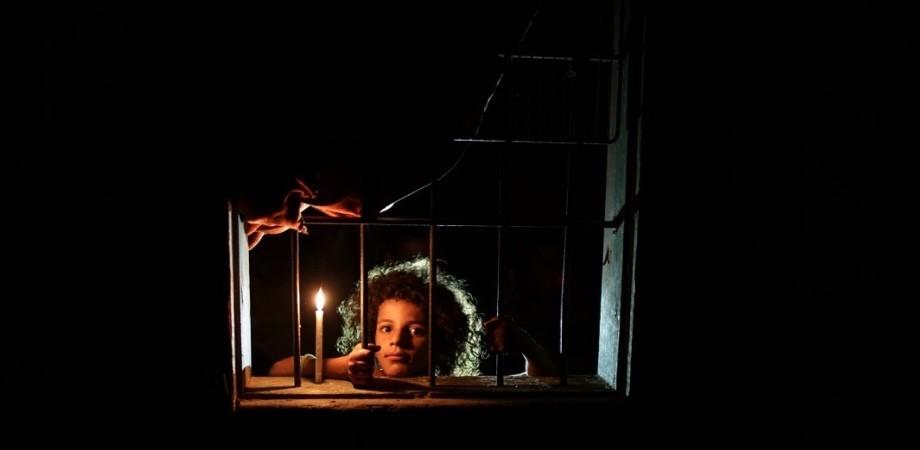
SAFA — Continued Israeli restrictions on electricity and fuel supplies have deepened Gaza’s energy crisis, leaving much of the Strip in darkness and forcing hospitals, businesses and essential services to rely on costly and limited alternatives.
Residents and experts are calling on international and regional bodies, UN agencies and human rights organizations to press Israeli occupation authorities to restore electricity supplies and allow the entry of fuel, generators, solar energy systems, spare parts, transformers and other equipment needed to repair Gaza’s devastated power network.
They are also calling for the restoration of Israeli electricity lines that previously supplied Gaza with around 120 megawatts and for fuel to be allowed in to operate the Strip’s sole power plant. Residents have separately appealed to Egyptian authorities to restore electricity through lines that previously supplied southern Gaza with around 30 megawatts.
A Chronic Crisis Worsens
Gaza faced a severe electricity deficit even before the war. During peak periods, demand exceeded 500 megawatts, while electricity supplied through Israeli and Egyptian lines and Gaza’s power plant reached only around 200 to 220 megawatts at best.
The situation has since deteriorated dramatically. According to technical assessments by the Energy Authority and electricity distribution company, more than 80% of Gaza’s electricity transmission and distribution infrastructure and transformers have been damaged or destroyed.
Direct and indirect losses to the electricity sector have exceeded $728 million, while rebuilding and restoring the energy infrastructure is estimated to require approximately $1.5 billion.
For families, the blackout has turned access to electricity into another daily struggle.
Mahmoud al-Musallami, a resident of Deir al-Balah in central Gaza, said small solar energy systems can cost between $2,500 and $5,000, putting them beyond the reach of most families who have lost their incomes.
Others rely on privately operated generators connected through community networks, but the cost is prohibitive. Al-Musallami said even basic electricity for lighting, charging phones and operating small appliances can cost families more than $80 a week.
“Families are now forced to choose between a difficult and painful equation: either securing a minimum level of electricity or providing food and medicine for their children,” he said.
Electricity, he stressed, is no longer a luxury. It is essential for pumping water, preserving food and operating medical equipment in homes.
Economy Pushed Towards Paralysis
Economist Mahmoud al-Aff said the electricity crisis is having profound social and economic consequences, while calling for stronger regulation of private generator operators and measures to protect consumers from excessive prices.
He urged authorities to develop an emergency energy plan, including fair management of available fuel and support for small-scale and community renewable energy projects. He stressed that restoring electricity lines remains the priority and argued that energy should not be used as a tool of collective punishment.
Dr. Maher al-Tabbaa of the Gaza Chamber of Commerce and Industry said the prolonged blackout has also pushed Gaza’s commercial and industrial sectors towards near-total paralysis.
Factories dependent on electricity have been forced to rely on expensive generators and fuel, increasing production costs by an estimated 200% to 300%. Hundreds of factories and workshops have shut down, while shops, warehouses and cold-storage facilities are struggling to operate.
Al-Tabbaa said the electricity crisis cannot be treated merely as a humanitarian or service issue because reliable and affordable energy will be essential to any future economic recovery and reconstruction.
Without electricity, he warned, Gaza cannot meaningfully restore production, employment, markets or basic economic life.
Source : Safa News


