
SAFA — Israel's devastating war on Gaza has left thousands of Palestinian children facing a prolonged struggle with malnutrition, as widespread poverty, shattered livelihoods, and severe shortages of nutritious food threaten their growth and development, raising fears that the consequences of hunger could follow an entire generation into adulthood.
Although some food has returned to Gaza's markets, many families remain unable to afford it, leaving children who survived months of deprivation without the balanced diets and medical care necessary for recovery. Doctors warn that the effects of starvation cannot be reversed simply by restoring basic food supplies, particularly when families lack access to protein, fresh produce, essential nutrients, and functioning healthcare services.
Hundreds of Children Treated for Malnutrition Each Month
Dr. Israa al-Najjar, head of clinical nutrition at Nasser Hospital in Khan Younis, said nutrition clinics receive between 400 and 600 malnourished children every month, including 120 to 140 suffering from severe malnutrition.
She explained that the availability of certain food products has done little to improve conditions for families who cannot afford meat, vegetables, fruit, and other nutritious foods essential to rebuilding children's health.
The scale of the damage is reflected in UNICEF figures. A nutrition survey conducted in accessible areas of Gaza between late May and mid-June 2026 found that 12.2% of children under five were affected by stunting, a sign of chronic or repeated undernutrition that can impair physical growth and development.
During the first six months of 2026, UNICEF reported that 223,114 children aged six to 59 months were screened for wasting, with 19,425 referred to or admitted into treatment programs for acute malnutrition.
The consequences have also been fatal. Gaza's Health Ministry reported on October 16 that 466 Palestinians had died from starvation and malnutrition since 2024, approximately one-third of them children.
Mothers Struggle to Keep Their Babies Healthy
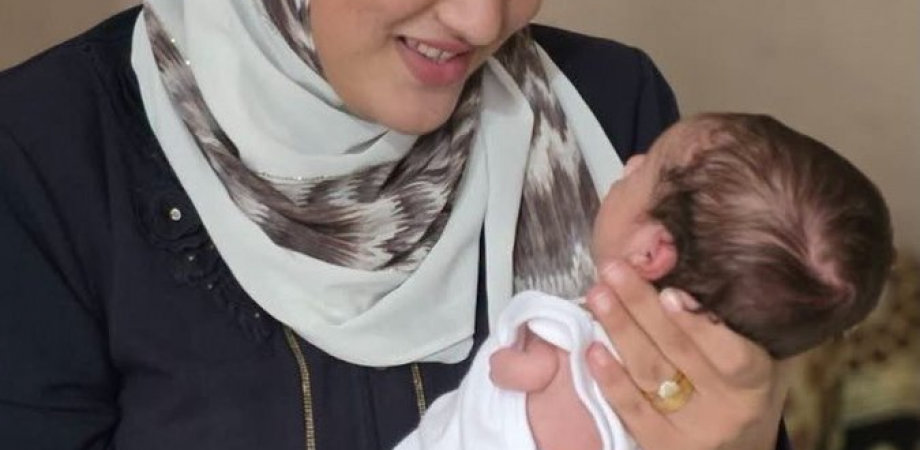
Behind the figures are Palestinian mothers trying to protect their children while struggling with displacement, unemployment, and the destruction of basic living conditions.
Sanaa Abu Radi watched her child's health deteriorate during the food shortages when the child was just 14 months old, as the family struggled to obtain appropriate meals during a critical stage of development.
Inas al-Arja, meanwhile, is caring for her six-month-old baby after her husband was injured and became unable to work. Without a stable income, she faces mounting difficulties securing milk and other necessities, while the approaching winter has added concerns about warm clothing, heating, and adequate shelter.
Their experiences illustrate how Gaza's hunger emergency extends beyond empty markets, with families unable to provide the food, medical attention, and living conditions that infants need to survive and develop.
War Deepens Health Risks for Mothers and Newborns
The destruction of Gaza's healthcare system has also left pregnant women and newborns facing serious challenges, particularly those requiring specialized examinations, treatment, and long-term medical support.
Faiqa al-Uraidi, 33, from Bureij refugee camp, gave birth to her first child, Nour Abdul Jawad, after four years of waiting to become a mother. Nour was born without hands, leaving the family confronting a congenital condition amid severe shortages of medical services.
Al-Uraidi fears that exposure to smoke from nearby Israeli missile strikes during pregnancy may have contributed to her daughter's condition, although no medical evidence has established its cause.
Nour's experience underscores the difficulties facing families whose children need specialized care in a territory where hospitals have been damaged, medical resources are scarce, and access to treatment remains severely restricted.
Hunger’s Consequences Could Last for Years
For Gaza's children, surviving the worst periods of hunger does not guarantee recovery. Prolonged nutritional deprivation can weaken immunity, disrupt growth, and affect development, particularly among infants and children under five.
As families continue to struggle with poverty, displacement, and the loss of essential services, doctors face the challenge of treating malnutrition without the reliable food supplies and medical resources needed to prevent children from becoming sick again.
The approaching winter threatens to deepen these hardships for families living in overcrowded shelters and deteriorating tents, where cold weather, poor sanitation, and inadequate nutrition increase children's vulnerability to illness.
Source : Safa News


