
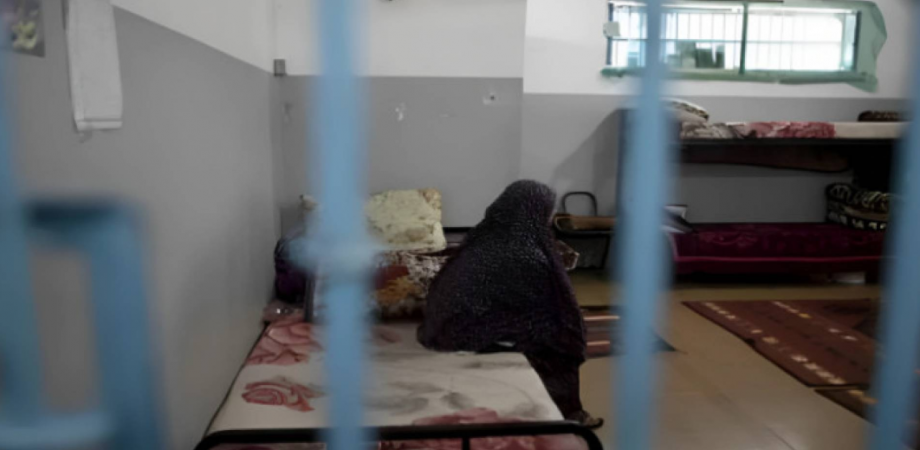
Life for women behind bars in Damon Prison is described by former detainees as relentless deprivation and constant humiliation. Freed prisoner Shahd Majed Hassan, who spent eight months in the facility, recalls her arrest at dawn in March 2025, taken from her home while unprepared, and placed in administrative detention without charge. Her imprisonment was tied to student activism, even though she had graduated over a year earlier.
Inside the prison, Shahd describes a monotonous, punishing daily routine. Inmates were confined for 23 hours a day, with punishments extending to complete lockdown and denial of showers. Food was limited and often inadequate, served on floors and treated with contempt. Sanitary and hygiene supplies were scarce, forcing prisoners to ration them and endure public humiliation. Even laughter or minor gestures could provoke harsh penalties, reinforcing an environment of fear and control.
Shahd recalls deeply distressing moments, including assisting pregnant prisoners without adequate medical support and witnessing mothers separated from their children. The psychological strain was compounded by the constant surveillance and invasive monitoring of personal cycles, with guards tracking menstrual dates and imposing humiliating restrictions. Despite the suffering, small acts of solidarity among prisoners, sharing clothes and personal items, provided fleeting comfort.
After months of endurance, Shahd’s release in November brought an overwhelming sense of relief and reunion with her family, illustrating both the resilience and the deep scars left by incarceration. Advocacy groups report that dozens of women remain in Damon and other prisons, facing similar conditions: strip searches, long hours of shackling, confiscation of personal clothing, poor sanitation, limited healthcare, and systematic psychological and physical repression. Mothers are particularly affected, enduring separation from their children and compounded emotional hardship.
Source : Safa News