
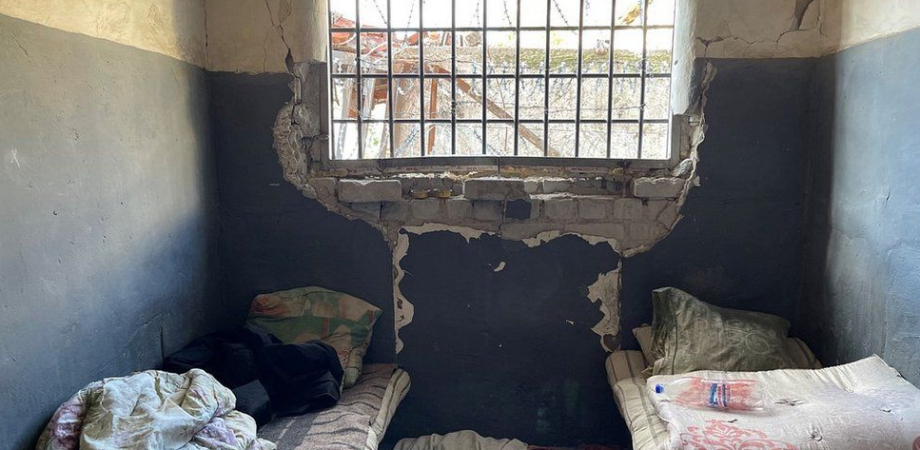
The treatment of detainees held since the escalation of violence in Gaza has raised grave legal and humanitarian concerns, revealing a system that experts argue operates with near-total impunity. According to legal analyses, the conditions described by those recently released violate fundamental tenets of international law, including the Third and Fourth Geneva Conventions, which mandate humane treatment, adequate food, medical care, and family contact. Prison authorities are accused of systematically disregarding these obligations, imposing collective punishments through severe overcrowding, food deprivation, and the denial of basic hygiene and legal access.
Testimonies from released individuals paint a stark picture of life inside, where the distinction between punishment and cruelty appears blurred. Accounts detail not only physical hardship, such as dramatic weight loss from meagre rations of spoiled food, but also profound psychological torment, including humiliating searches and the confiscation of personal and religious items. For women detainees, violations extended to the denial of sanitary products and personal dignity, highlighting a pattern of abuse that shows no distinction based on gender. The physical and mental scars, former prisoners report, persist long after release, constituting an enduring extension of their ordeal.
This reality is compounded by a near-total lack of oversight. Major international and humanitarian bodies have been persistently barred from inspecting facilities, particularly those housing detainees from Gaza. Domestic legal challenges, even when successful in principle, have failed to force meaningful change on the ground, with prison administrations reportedly ignoring court rulings. The situation illustrates a profound enforcement crisis in international law, where documented violations face no effective remedy, allowing conditions described by one legal expert as "resembling the treatment of animals" to persist as a hidden dimension of the ongoing crisis.
Source : Safa News


