
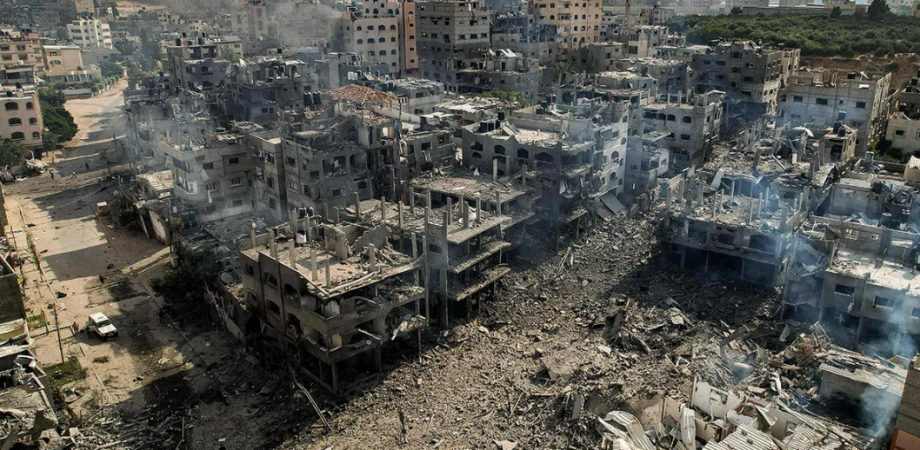
Excuses long offered to justify Gaza’s suffering are crumbling in the face of stark realities. Borders, airspace and coastal access remain under tight control, leaving all movement of food, medicine and basic supplies subject to approval that can be delayed or denied. Shortages and deprivation are not accidents or logistical failings, they are consequences of deliberate restriction. Even seasonal rain, once harmless, now sweeps through collapsed sewage systems and shattered flood defences, turning natural events into deadly hazards for those forced into overcrowded shelters.
Every aspect of daily life bears the imprint of systematic oppression. Schools, hospitals and homes have been destroyed while access to essential services is obstructed. Aid is neither neutral nor automatic; survival depends on permissions that can be revoked without explanation. Legal scholars and international observers continue to examine allegations of genocide as warnings of mass starvation and population erasure go unheeded. Diplomatic and military support for these conditions persists despite public declarations of commitment to human rights, demonstrating the stark gap between rhetoric and action.
Life continues in extraordinary conditions. Children continue to learn where possible, families adapt to loss, and communities endure under constant threat. These acts of perseverance are not proof that circumstances are bearable, but evidence of the extreme lengths people must go to simply to survive. Starvation, destruction of infrastructure and systematic deprivation are not unintended consequences, they are instruments of a genocidal war carried out methodically. Any future defined as “normal” for Gaza will depend on the immediate lifting of restrictions, unrestricted access for humanitarian aid, and accountability for those who have weaponised hunger, water, shelter, medicine and education.
Source : Safa News


