
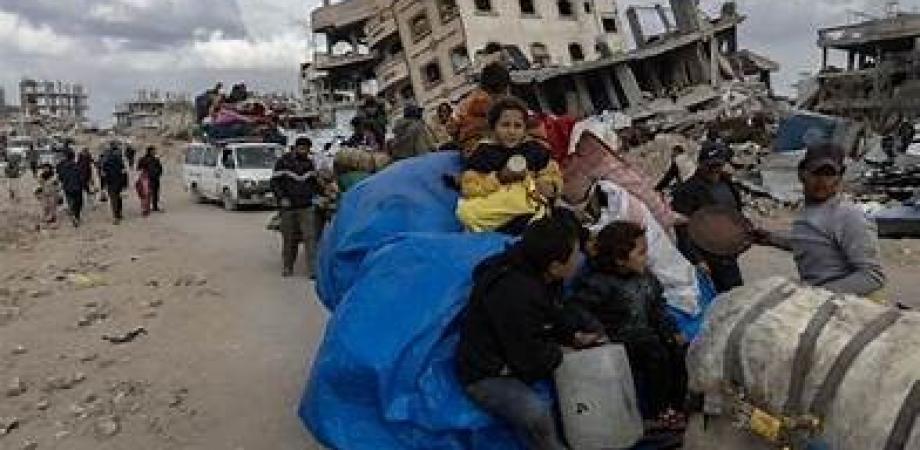
For Palestinians who sought refuge in Egypt during the genocidal war, the question of returning to Gaza has become a daily struggle between longing and fear. Since the partial reopening of the Rafah Crossing at the beginning of February, limited numbers have been allowed to go back. Yet the process is slow, unpredictable and emotionally fraught, leaving many trapped in limbo as they weigh survival in exile against life amid devastation.
In Egypt, displaced families describe lives marked by instability and exhaustion. Temporary shelter often means overcrowded rooms, borrowed sofas or nights spent moving from one place to another. With little institutional support and dwindling savings, many say displacement has stripped them of dignity. For older refugees in particular, the pull of home remains overwhelming, even as news from Gaza speaks of destruction, shortages and the continuing impact of the genocide.
Gaza itself, including areas such as Jabaliya Camp, is no longer the place many remember. Entire neighbourhoods have been levelled, families scattered, and basic services remain scarce. Still, the desire to reunite with relatives left behind and to die on one’s own land weighs heavily. For some, returning is not a calculation of safety, but an assertion of belonging in the face of a genocidal war that has sought to uproot them entirely.
As buses and cars trickle through the crossing back into Gaza Strip, each arrival carries mixed emotions: relief, grief and uncertainty intertwined. The choice to return is rarely final or certain. It is shaped by memory, loss and an unbroken attachment to home, even when that home lies in ruins.
Source : Safa News


