
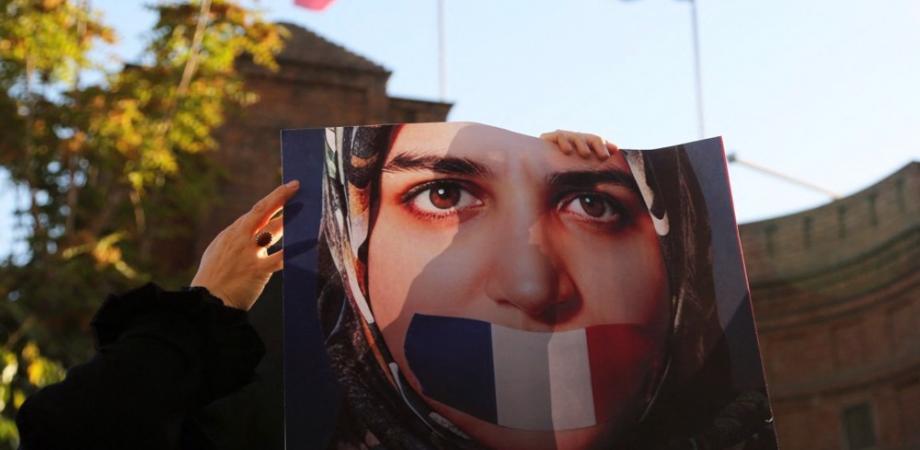
A French court has handed down a prison sentence to Mahdieh Esfandiari, an Iranian academic who had been living and working in France, after ruling that her public opposition to the genocidal war in Gaza crossed criminal thresholds. The verdict has ignited concern among civil liberties advocates who argue that expressions of solidarity with Palestinians are increasingly being treated as punishable acts rather than protected speech.
The ruling, delivered in late February, imposed a four-year sentence, most of it suspended, alongside a definitive ban on re-entering French territory. Esfandiari, 39, had already spent months in pre-trial detention before being released under judicial supervision. Prosecutors relied on online posts to justify the charge, framing them as unlawful endorsement linked to events of October 2023 during the genocidal war, an interpretation her supporters contest as politically motivated.
Esfandiari is a graduate of Université Lumiére Lyon, where she worked as a translator and interpreter. Colleagues describe her as a committed scholar whose activism focused on international law, civilian protection and opposition to mass violence. Demonstrations calling for her release have taken place outside French diplomatic sites abroad, reflecting unease over what critics see as the shrinking space for dissent in Western democracies.
The case has been situated by observers within a broader pattern of crackdowns targeting students, academics and campaigners who challenge state narratives surrounding Gaza. In this climate, references to Palestinian prisoners and calls for accountability during the genocidal war have, critics say, been recast as security threats. Legal experts warn that such prosecutions risk conflating political expression with criminality, eroding fundamental freedoms in the process.
Source : Safa News


