
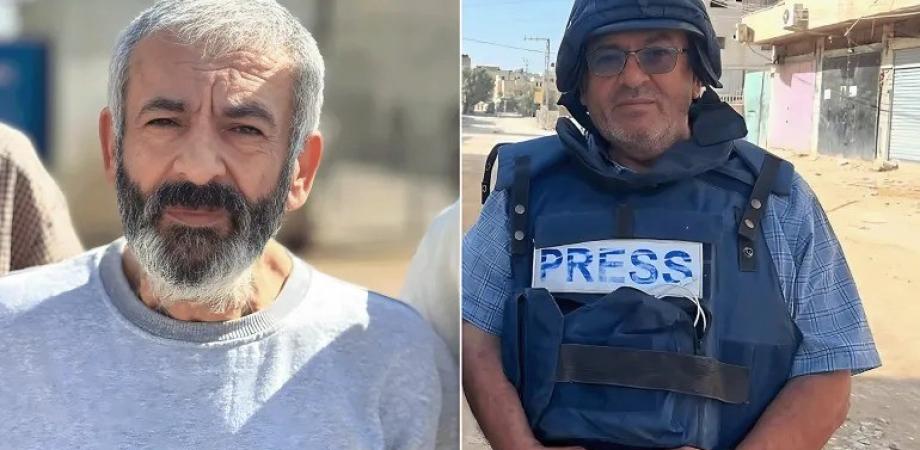
The release of Palestinian journalist Ali Samoudi after nearly a year in administrative detention has sharpened scrutiny of conditions inside Israeli prisons, where detainees continue to report severe deprivation and neglect. Arrested from his home in Jenin in April 2025 without formal charge, Samoudi emerged in visibly weakened condition, having lost a significant amount of weight over the course of his detention.
Speaking shortly after his release, Samoudi described an environment marked by acute shortages of food, inadequate nutrition and the absence of proper medical care. His testimony aligns with broader accounts from detainees and advocacy groups, which have repeatedly pointed to systematic patterns of mistreatment. The Palestinian Prisoner Society indicated that his physical deterioration reflects conditions affecting a wider detainee population, raising concerns over what it characterises as sustained neglect within the prison system.
Current estimates suggest that more than 9,600 Palestinians are being held in Israeli prisons, including over 3,500 administrative prisoners detained without trial, alongside a number of journalists. International organisations such as Amnesty International and Human Rights Watch have documented recurring allegations of arbitrary detention, ill-treatment and insufficient legal protections, reinforcing concerns about compliance with international standards.
Samoudi’s case has intensified calls for external pressure to address detention practices and improve conditions, particularly as warnings grow regarding the health and safety of those still held. For many observers, his release does not signal resolution, but rather underscores the broader reality faced by thousands of prisoners amid an ongoing genocidal war that continues to shape daily life across the occupied territories.
Source : Safa News


