
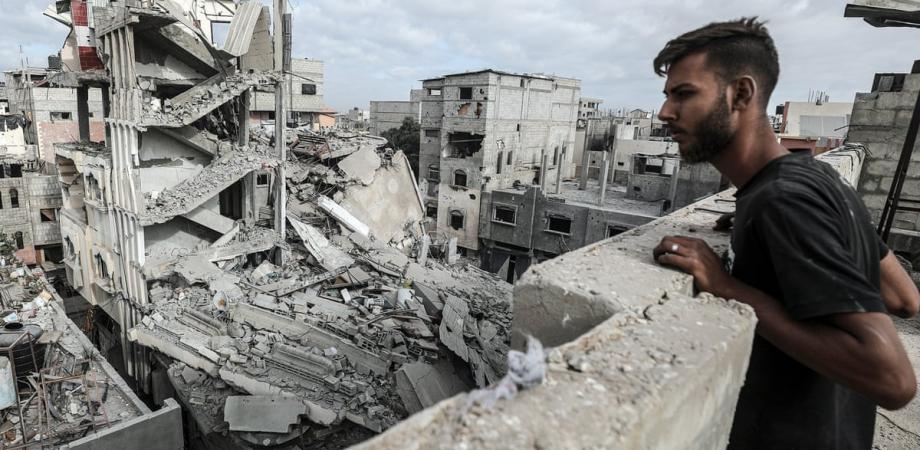
What was presented as a pause in violence has instead coincided with a steady tightening of pressure on Gaza, where daily life continues to deteriorate under ongoing military measures. An academic analysis published this week argues that the truce has failed to provide meaningful protection, raising fundamental questions about its purpose when deaths, injuries and widespread ruin persist in a territory supposedly spared from further harm.
The author contends that the current reality reflects a deliberate strategy rather than incidental damage. Demolitions, land clearance and the destruction of basic infrastructure are described as part of a broader effort to make the area uninhabitable, encouraging displacement through exhaustion and despair. This approach, the analysis suggests, aims to remove the population not only through overt force but also by creating conditions in which remaining becomes impossible, all within the framework of an ongoing genocidal war.
Evidence cited includes satellite imagery and reporting showing thousands of buildings reduced to rubble since the truce came into effect. Entire residential districts have disappeared, alongside farmland, greenhouses and public spaces, even in areas where structures showed no prior damage. These operations have extended well beyond contested zones, reaching deep into neighbourhoods and rural areas, with particular concentration in the east of Gaza and around major population centres.
While such actions are widely viewed as incompatible with any genuine ceasefire, Israeli officials have rejected that interpretation, arguing that the agreement allows for continued dismantling of infrastructure across the territory. Critics counter that this narrow reading empties the truce of substance, turning it into a tool that legitimises destruction rather than halting it. For Gaza’s population, the result is a worsening humanitarian crisis that underscores how little has changed on the ground, despite diplomatic language suggesting otherwise.
Source : Safa News


