
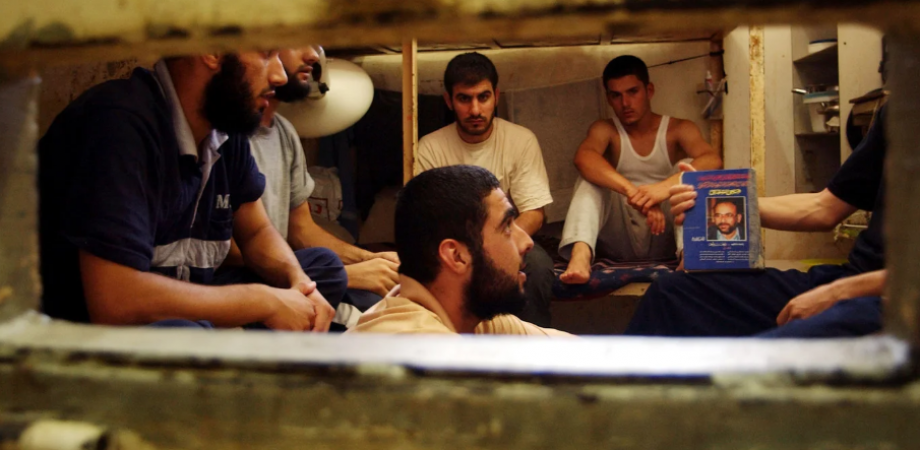
SAFA — Conditions for Palestinian detainees at Israel's Negev Prison have deteriorated sharply following a visit by Israeli National Security Minister Itamar Ben-Gvir, with prisoner advocacy groups reporting that inmates' remaining clothing and religious belongings were confiscated under his directives.
The Palestinian Prisoners' Media Office said prison authorities began implementing the measures immediately after Ben-Gvir's visit, confiscating what remained of detainees' clothing.
The office noted that most prisoners already possess only minimal clothing, typically a single shirt, one pair of trousers, and limited undergarments.
It added that copies of the Qur'an were also removed from prison cells, leaving only one copy for every section of approximately 15 cells, significantly restricting detainees' ability to practise their religion.
The reported measures come amid worsening humanitarian conditions inside the prison, including poor-quality food, severe shortages of hygiene supplies, and a reduction in daily outdoor time to around 45 minutes, during which detainees must bathe and attend to their basic needs.
Jihad Ghabin, a former prisoner and specialist in detainee affairs, said the measures reflect a broader pattern of collective punishment and abuse, enabled by what he described as the absence of effective international accountability.
He said abuses inside Israeli prisons have become routine, citing violent cell raids, the use of stun grenades and live ammunition, physical assaults, denial of medical care, food restrictions, and limited access to clean water and sanitation.
Human rights researcher Iman Abu Owaimer described the confiscation of clothing and religious texts, alongside other restrictions, as a dangerous escalation aimed at humiliating detainees and inflicting both psychological and physical harm.
She said the measures lack any legitimate security justification and violate fundamental religious freedoms and human rights protections guaranteed under international humanitarian law, particularly the Fourth Geneva Convention.
Abu Owaimer warned that the ongoing conditions—including food deprivation, poor nutrition, shortages of hygiene supplies, and denial of healthcare—pose a direct threat to detainees' lives and could lead to severe physical and psychological deterioration.
She added that such practices may amount to cruel, inhuman, or degrading treatment and could constitute crimes warranting international investigation and accountability.
She called for urgent intervention by the international community, including the International Committee of the Red Cross and international human rights organisations, to monitor prison conditions and ensure the protection of Palestinian detainees.
According to official figures, Israeli authorities are currently holding approximately 9,400 Palestinian prisoners, including 99 women, more than 350 children, and 3,244 administrative detainees.
Thousands of Palestinians from the Gaza Strip also remain in Israeli custody, many of them detained since the outbreak of the Israeli war on Gaza on 7 October 2023.
Source : Safa News


