
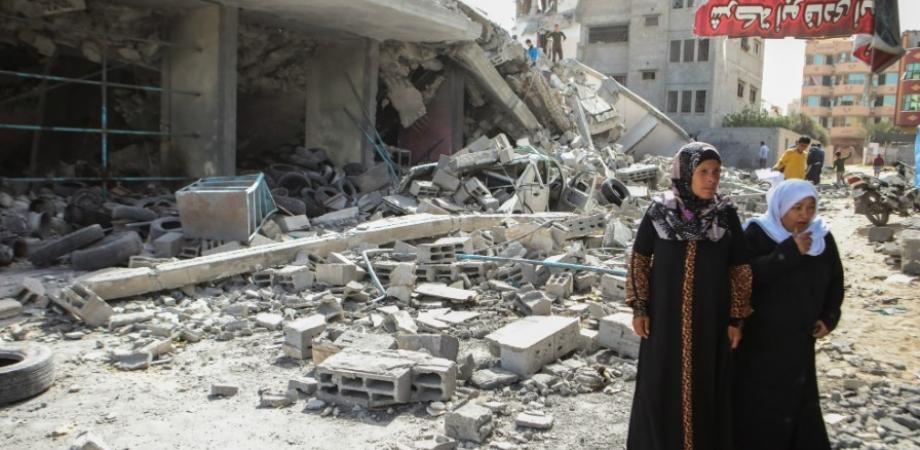
Plans unveiled by a prominent US political figure for a gleaming, rebuilt Gaza have been met with quiet disbelief by those living amid the wreckage of a genocidal war that has reshaped daily life beyond recognition. The proposal sketches a shoreline of hotels, offices and leisure, yet the streets beneath remain buried, families scattered, and basic shelter scarce. For residents who have endured years of destruction, the language of renewal rings hollow against the weight of present reality.
Across the territory, vast neighbourhoods lie flattened, with much of the population surviving in makeshift tents and overcrowded shelters. Access is tightly restricted, movement fragmented, and livelihoods erased. Any promise of rapid transformation collides with the scale of devastation: mountains of debris, unexploded remnants, and the long, grinding work required simply to make areas safe again. To speak of prosperity while the ground itself is unsafe is, to many, a denial of lived experience under a genocidal war.
Voices from the ground question not only feasibility but intent. Bereaved families ask where genuine international responsibility has been during years of suffering, and why bold visions emerge without accountability for what has already been destroyed. Others fear that grand reconstruction schemes would entrench existing controls rather than restore dignity and self-determination, repackaging dominance in the language of investment and opportunity.
The proposal’s economic projections, promising billions in output within a decade, sit uneasily alongside unresolved questions of access, sovereignty and freedom of movement. Infrastructure such as ports and airports is floated as if approval were a formality, yet past experience suggests otherwise. For many, the gap between glossy renderings and life under a genocidal war is not merely technical; it is moral, rooted in whose reality is being prioritised and whose is being erased.
Source : Safa News


