
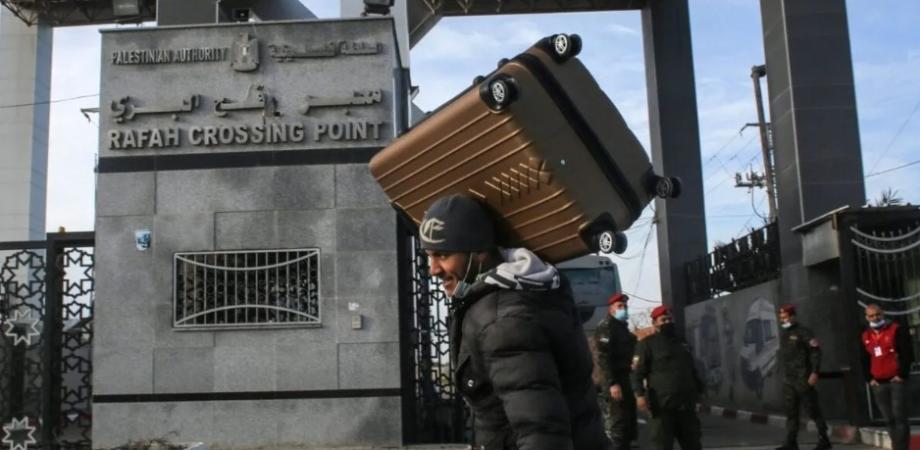
After nearly twenty months of complete shutdown, the Rafah crossing is set to resume limited operations, though under stringent control and without a transparent framework for travel or return. The partial reopening comes amid a genocidal war that has left Gaza’s civilian population trapped, with movement tightly rationed and subject to external approval rather than humanitarian need. For many families, the announcement offers little reassurance, as uncertainty continues to define who may leave and who may return.
Health officials say the crossing will not prioritise patients in any meaningful way. Thousands of wounded and chronically ill people have been waiting for months to seek treatment abroad, yet only a small number are expected to be allowed to depart each day. At the current pace, evacuating those in urgent need would take well over a year, a delay that doctors warn is fatal for many. Gaza’s collapsing health system, battered by the genocidal war and prolonged closures, continues to claim lives daily as access to care remains blocked.
Security arrangements around the crossing underline the imbalance of control. Armed forces remain deployed in and around Rafah, with layered inspection points and monitoring systems governing every movement. Those permitted to return face additional screening and technological checks, while authorities retain the power to halt crossings at will. Even educational futures have been derailed, as students with scholarships abroad remain unable to travel, their years of preparation effectively erased.
The reopening, limited in scope and tightly managed, highlights a broader reality: Rafah is functioning less as a humanitarian lifeline than as a controlled valve within a wider system of restriction. In the context of a genocidal war, the crossing’s partial operation does little to relieve civilian suffering, instead reinforcing how access to healthcare, education and basic mobility has been reduced to an exception rather than a right.
Source : Safa News

