
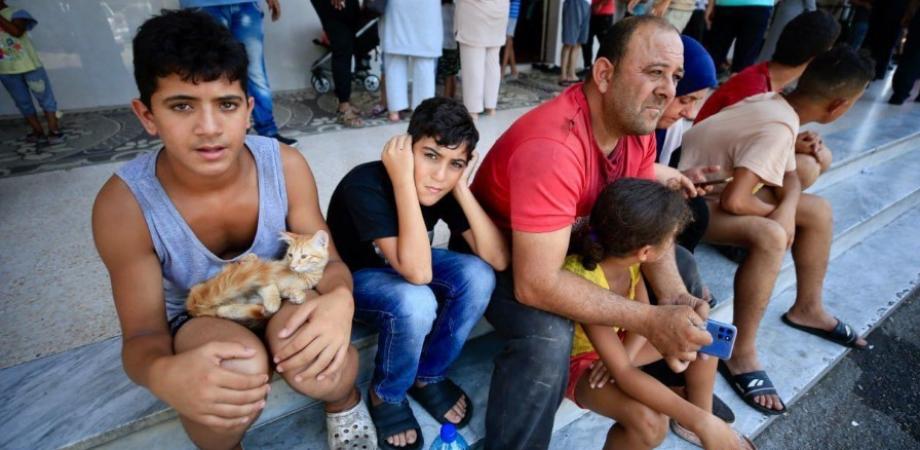
Across the hills and valleys east of Jerusalem long-established Bedouin communities are confronting an intensifying campaign that threatens to sever them from their land. Families describe a climate of constant pressure marked by land seizures, building prohibitions and the steady advance of nearby settlements, leaving daily life precarious and uncertain.
In recent weeks, residents say the measures have translated into direct displacement, with dozens of families pushed out from grazing areas and encampments, including around Shalal-Al-Auja and the eastern outskirts where communities such as Ein-Al-Asifa are surrounded by expanding outposts. Homes and animal shelters have been demolished following short notices, while access to water and pasture has been curtailed, accelerating the erosion of livelihoods that depend on the land.
This pressure coincides with fast-tracked settlement infrastructure: new roads carve through traditional routes, while planning decisions tighten the ring around areas slated for annexation. Legal notices delivered to representatives in Al-Eizariya signal the intention to proceed with a controversial scheme designed to link the settlement of Ma'ale Adumim directly to Jerusalem. The project is widely understood as part of the push to absorb the E1 corridor, a move that would fracture territorial continuity and redraw the map around the city.
For those affected, the pattern is clear: what unfolds is not a series of isolated administrative steps but a coordinated effort to empty the city’s periphery of its indigenous presence. As families weigh the loss of homes against the pull of survival, the outcome risks entrenching a new reality on the ground, one shaped by displacement and the steady tightening of control during a broader genocidal war that continues to reverberate across the land.
Source : Safa News


