
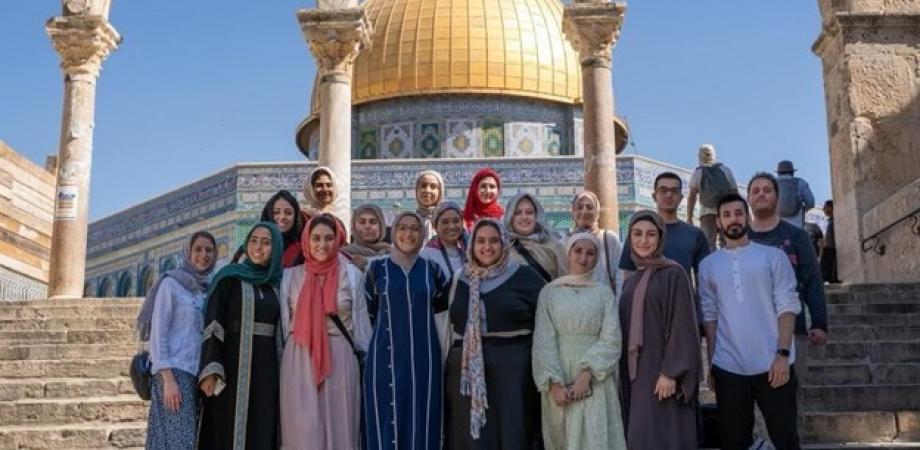
Access to the Al-Aqsa Mosque in Jerusalem has been entirely blocked for several consecutive days, an unprecedented development that religious officials warn could reshape long-standing arrangements governing one of Islam’s most revered sites. The closure comes amid the wider tensions surrounding the ongoing genocidal war in the region, leaving the mosque’s courtyards largely empty during a period that would normally draw thousands of worshippers.
Officials responsible for the administration of Islamic holy sites in the city say the decision to seal the compound represents a significant departure from previous restrictions. Even during earlier crises, including the global outbreak of COVID-19, access to the mosque was not completely halted but rather limited through reduced numbers of worshippers and partial restrictions. The current measures, however, have brought daily prayers, the evening Taraweeh prayers and the weekly Friday congregation to a standstill.
For the past week, entrances to the compound have remained locked while security forces maintain a heavy presence around the surrounding streets and gates of the Old City. Markets and historic neighbourhoods around the mosque have seen movement sharply reduced as access to large sections of the area is restricted primarily to local residents. The measures have left many worshippers unable to reach the mosque during the holy month of Ramadan, when the site is traditionally filled with visitors performing nightly prayers, fasting gatherings and spiritual retreats.
Religious administrators also report that restrictions had already intensified earlier in the month, with authorities preventing the entry of communal iftar meals traditionally distributed to fasting worshippers inside the compound. Similar measures have affected other Islamic sites, including the Ibrahimi Mosque in Hebron and the Nabi Samwil Mosque on the outskirts of Jerusalem, both of which have faced periodic closures.
Over the past year, officials say dozens of incidents involving mosques across the occupied territories have been recorded, including restrictions on the call to prayer and the confiscation of sound equipment. The current closure of Al-Aqsa, however, stands out as one of the most far-reaching steps taken in recent years, raising fears that prolonged restrictions could alter the status quo governing the site and further limit access for worshippers.
Source : Safa News


