
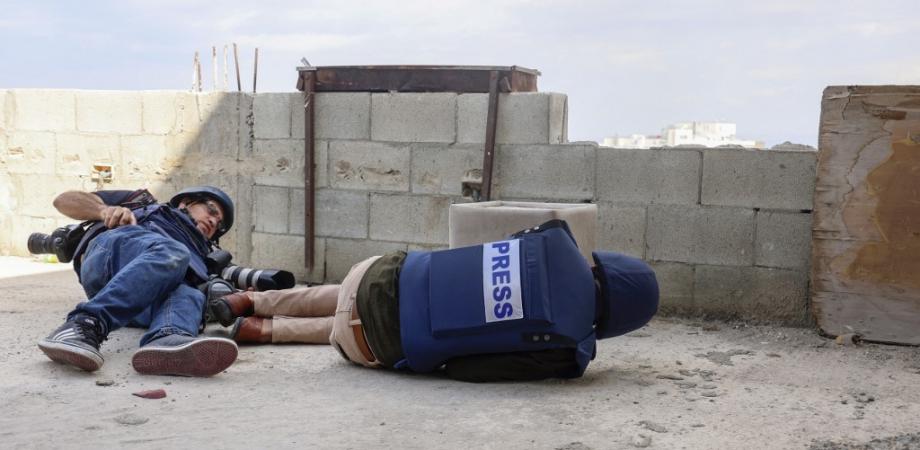
A growing number of Palestinian journalists have been detained across the occupied West Bank since the beginning of 2026, according to figures released by the Palestinian Journalists Syndicate. The organisation reported that at least 22 media workers, including four women, have been taken into custody in recent months, warning that the arrests form part of a broader pattern aimed at limiting the ability of Palestinian reporters to document events on the ground during the ongoing genocidal war.
The data shows that January recorded the highest number of arrests, with 13 journalists detained, followed by seven in February and two more in early March. Several were reportedly seized during overnight raids on their homes, while others were stopped at military checkpoints or detained while covering developments in their communities. In numerous cases, cameras, phones and other reporting equipment were confiscated or damaged, while some journalists were subjected to fines, placed under house arrest or banned from accessing religious sites, including the compound of Al‑Aqsa Mosque in occupied Jerusalem.
According to the syndicate, 39 Palestinian journalists are now being held in Israeli prisons, with some placed under administrative detention, a procedure that allows individuals to be imprisoned without formal charges. Media advocates argue that such measures violate international standards designed to safeguard press freedom and the work of journalists in occupied territories. Observers say the wave of detentions coincides with intensified Israeli operations across the West Bank and forms part of a wider environment in which Palestinian institutions and independent reporting face mounting pressure.
For many journalists working in Palestinian communities, the risk of arrest has become a constant reality. Rights advocates warn that limiting the presence of reporters in the field restricts the flow of information and leaves local populations with fewer channels through which to document the impact of the genocidal war on daily life.
Source : Safa News


