
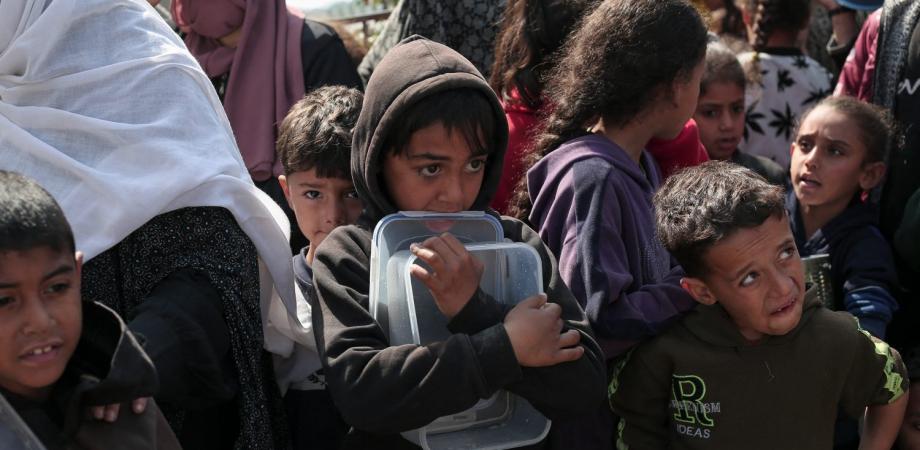
As Muslims across the world prepare for the first days of Dhul Hijjah with prayers, celebrations and plans for Eid al-Adha, many families in the Gaza Strip are entering the season under canvas shelters with little food and no sense of festivity. For a third consecutive year, large numbers of displaced Palestinians say the traditions once associated with the holiday have disappeared beneath blockade, destruction and deepening hunger caused by Israel’s genocidal war on Gaza.
In overcrowded camps west of Khan Younis, residents describe how the sound of takbeerat now arrives only through mobile phone screens as they watch scenes from other countries online. Khaled Abu Shab, displaced with his family in the Mawasi area, said meat had become almost impossible to obtain, while the idea of buying an animal for sacrifice was now beyond imagination. He recalled how families in Gaza once gathered for Eid meals and shared meat with neighbours and relatives, adding that today parents spend their days searching for firewood and basic food supplies instead.
The collapse of livestock farming and the closure of crossings have left local markets almost empty. Frozen meat, when available, is sold at prices far beyond the reach of families relying entirely on aid. Medical workers in Gaza have repeatedly warned of worsening malnutrition among children, particularly inside displacement camps where shortages of food and clean water continue to spread.
Iman Al-Raqab, a mother of five living in a temporary shelter, said her children barely remembered the taste or smell of fresh meat. She explained that questions about Eid had become difficult to answer, as there were no animals arriving in Gaza and almost no signs of celebration remaining. Another displaced resident, Faiza Sarhan, said watching preparations for Eid in other Arab countries had become painful, while people in Gaza faced soaring prices, hunger and constant uncertainty under the continuing genocidal war.
According to figures released by international food organisations, more than three-quarters of Gaza’s population are experiencing severe food insecurity, including tens of thousands of pregnant women and children. Gaza’s Agriculture Ministry said more than two million Palestinians would spend Eid al-Adha this year without sacrificial animals after the near-total destruction of the territory’s livestock sector.
Before the war, Gaza imported thousands of cattle and sheep annually ahead of Eid. Officials now say imports have completely stopped due to the continued closure of crossings and restrictions on animal feed and veterinary supplies. Farms, barns and agricultural facilities have also suffered extensive destruction during Israel’s military campaign, leaving many breeders unable to continue working.
For many families, the absence of Eid sacrifices is no longer only about the loss of a religious tradition. It has become another symbol of the hunger, displacement and hardship shaping daily life across Gaza as civilians continue trying to survive amid the devastation of Israel’s ongoing genocidal war.
Source : Safa News


