
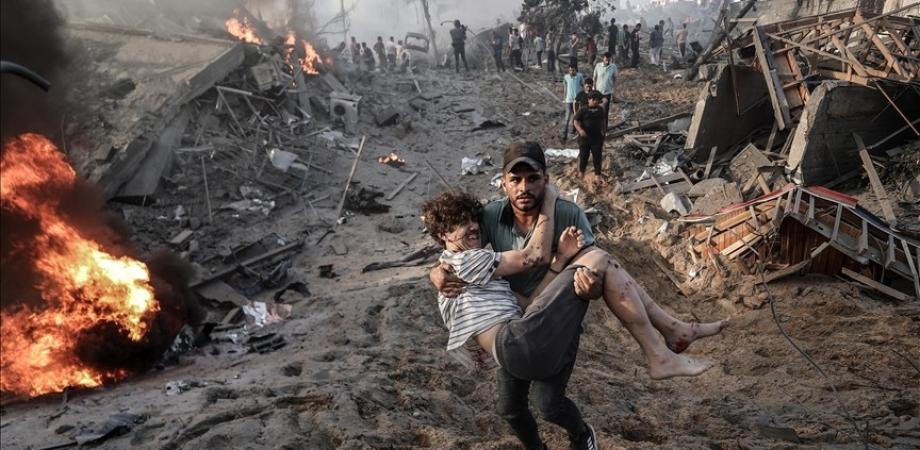
Doubts are increasingly being raised over the durability of the ceasefire framework in Gaza, as Israeli occupation forces continue to carry out air raids and ground operations across multiple areas of the Strip, even while the agreement remains officially in effect. The situation on the ground suggests a persistent pattern of violence that contradicts the declared pause in Israel’s genocidal war on Gaza, leaving the population in a state of continued insecurity.
According to Palestinian officials, hundreds of people have been killed since the announcement of the ceasefire, with entire neighbourhoods still lying in ruins after months of sustained destruction. Much of the territory remains uninhabitable, with infrastructure, homes, and essential services severely damaged under the weight of the ongoing genocidal war and restrictions that continue to prevent meaningful recovery.
Humanitarian conditions have further deteriorated as displacement remains widespread, with large numbers of families still unable to return to what remains of their homes. Reconstruction efforts have largely stalled, deepening concerns over long-term recovery prospects and leaving significant portions of the population dependent on emergency relief in overcrowded and under-resourced shelters.
The political debate surrounding the ceasefire intensified after comments by former British Prime Minister Tony Blair Tony Blair, who suggested that the current framework was contributing to the end of the genocidal war. This assessment has been widely disputed, with critics pointing to continued killings, ongoing military activity, and reported plans to expand control over parts of Gaza, arguing that the ceasefire has failed to bring meaningful relief to civilians.
Source : Safa News


