
Warnings are mounting that millions could be pushed towards hunger as instability across key trade corridors continues to disrupt the flow of essential goods. Economists and agricultural specialists caution that prolonged disruption to major shipping routes, particularly those critical for energy and fertiliser transport, could have far-reaching consequences for global food production. Without a rapid easing of tensions, supply chains already under strain may begin to fracture further, placing vulnerable populations at even greater risk.
The impact is expected to be felt most sharply in regions heavily dependent on imported agricultural inputs. Across parts of Africa and Asia, reduced access to fertilisers and rising energy costs threaten to undermine upcoming planting seasons, increasing the likelihood of lower yields and escalating food prices. Analysts warn that even short-term interruptions could have long-lasting ripple effects, destabilising markets and intensifying existing inequalities in food access.
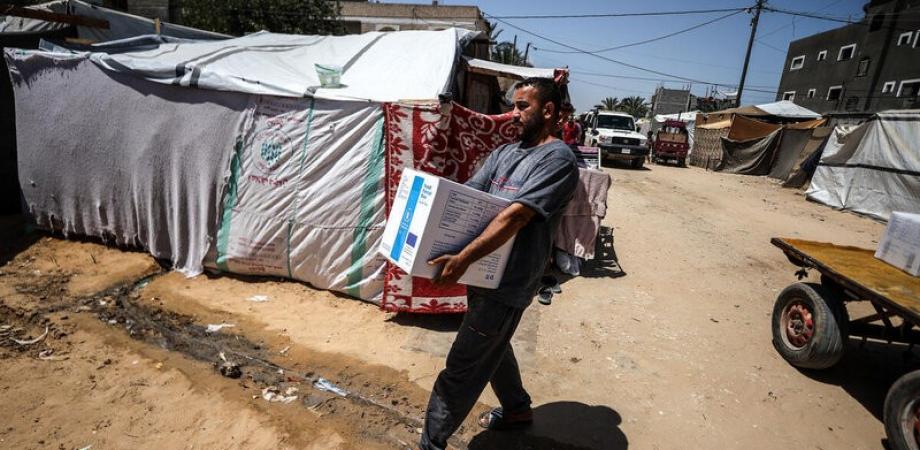
These global concerns unfold alongside an already severe humanitarian reality in Gaza, where the ongoing genocidal war has compounded food insecurity and limited access to basic necessities. With infrastructure damaged and supply routes constrained, local conditions illustrate how quickly food systems can collapse under sustained pressure. Observers stress that unless broader supply networks are stabilised and restrictions eased, the combined effect of regional disruption and ongoing violence could drive a wider humanitarian emergency.
Source : Safa News


