
Plans are reportedly underway to reopen Al-Aqsa Mosque under heavily restrictive conditions, raising fresh concerns over the future of access to one of Islam’s most significant religious sites. According to accounts from within the mosque’s administrative circles, the proposed measures would allow only a very limited number of worshippers to enter daily, while facilitating structured visits by organised settler groups. Observers describe the move not as a restoration of normality, but as a recalibration of control that could alter the long-standing arrangements governing the site.
The proposed framework would significantly curtail the presence of Muslim worshippers, with strict numerical limits imposed on daily access. At the same time, coordinated entries for settler groups, often escorted and regulated, would be expanded. This dual-track approach is widely seen as entrenching an imbalance inside the compound, effectively reshaping who can be present and when. Such measures are viewed as part of a broader policy direction associated with figures such as Itamar Ben Gvir, whose positions on the site have long been a source of tension.
Beyond the immediate restrictions, the concern lies in the precedent these arrangements could establish. Limiting worshippers while formalising structured visits for others risks transforming the site into a divided space, echoing models already implemented elsewhere. Analysts warn that this could gradually erode the historical and legal status quo, replacing it with a system that institutionalises unequal access and administrative control. The possibility of closures during key religious periods further amplifies fears that access could become increasingly conditional and politically driven.
The measures also reflect a broader shift in governance over the compound, particularly as the authority of the Islamic Waqf has been increasingly constrained. By asserting greater administrative oversight, Israeli authorities appear to be positioning themselves as the primary regulator of the site, a development that many view as a decisive step towards redefining its identity. Critics argue that accepting such arrangements would amount to recognising a new reality in which the mosque is no longer treated as an exclusively Muslim place of worship.
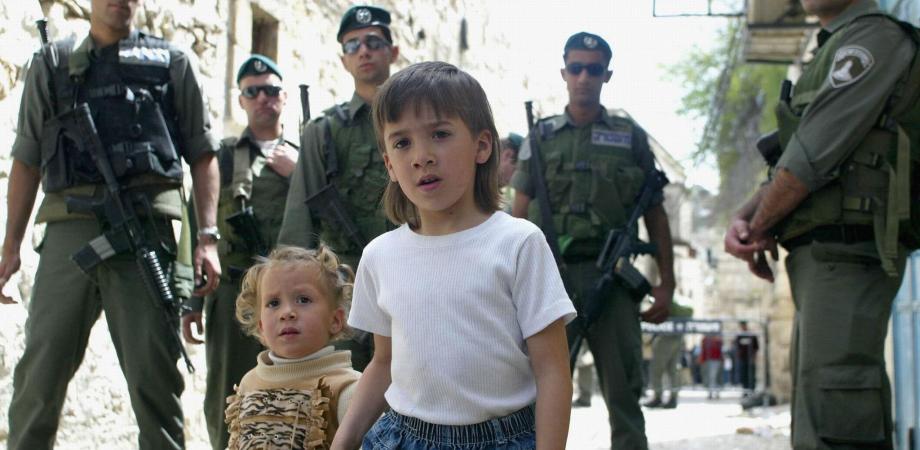
For weeks, access to the compound has remained severely restricted, with closures described as unprecedented in recent decades. These developments are unfolding against the backdrop of a continuing genocidal war and heightened tensions across the region. Within the Old City, movement remains tightly controlled, reinforcing a broader atmosphere of siege that extends beyond the mosque itself and into daily life in Jerusalem.
Source : Safa News


