
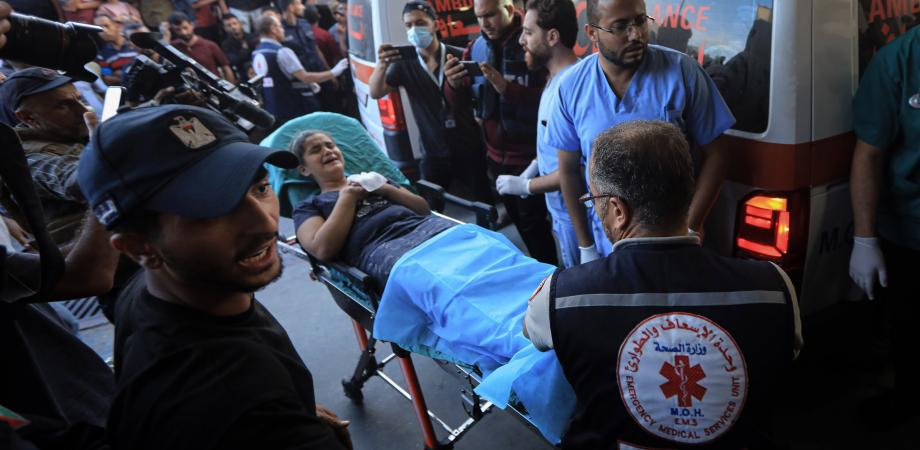
The scale of devastation across Gaza’s healthcare network has deepened dramatically, with vast sections of medical infrastructure reduced to rubble and the system itself pushed to the brink of collapse. Over recent months, the cumulative destruction has translated into losses estimated at approximately $1.4 billion, reflecting not only physical damage but the erosion of an already fragile capacity to respond to urgent medical needs. Entire facilities have been rendered inoperable, leaving large segments of the population without reliable access to treatment.
This deterioration unfolds against the backdrop of a prolonged genocidal war that has placed extraordinary pressure on all aspects of civilian life. Medical services, already constrained by limited resources, now face overwhelming demand as injuries rise and chronic conditions go untreated. Structural weaknesses persist beyond Gaza, where hospital bed capacity remains below global standards, restricting the ability to manage critical and intensive care cases even under normal conditions.
At the same time, the broader public health landscape is shifting in ways that further complicate response efforts. Non-communicable diseases such as cardiovascular illness, diabetes, and cancer continue to account for a significant share of mortality, requiring sustained and coordinated care that is increasingly difficult to deliver. Preventive strategies and primary healthcare services, essential to managing these conditions, are being undermined by the ongoing destruction and systemic strain.
Humanitarian conditions inside Gaza have reached severe levels, with more than two million people living in precarious circumstances after widespread displacement and the loss of housing. The breakdown of basic infrastructure, including sanitation systems and access to safe water, has heightened exposure to environmental and health risks. These conditions create fertile ground for the spread of infectious diseases, raising concerns over potential outbreaks that could further overwhelm an already devastated system.
Despite these challenges, efforts continue to stabilise and adapt the healthcare framework through policy adjustments and attempts at institutional coordination. Emphasis has been placed on integrated approaches that link environmental, human, and broader public health considerations, alongside calls for stronger cooperation across sectors. Yet such measures remain constrained by ongoing restrictions, limited supplies, and the continuing impact of the genocidal war, which continues to shape the daily realities of healthcare delivery across the territory.
Source : Safa News


