
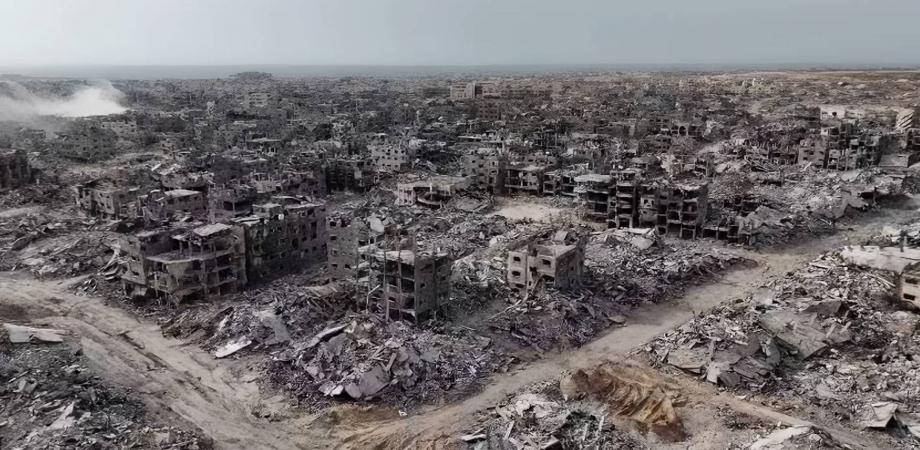
SAFA – A new humanitarian report warns that people with disabilities in the Gaza Strip are facing increasingly dire conditions as ongoing Israeli attacks, mass displacement, and the collapse of essential services continue to deepen their suffering.
The report, issued by the Atfaluna Society for Deaf Children, says the crisis has evolved beyond shortages of basic supplies into the systematic denial of the rights of people with disabilities, including access to protection, essential services, and dignified living conditions.
Based on a survey of 528 households conducted during the first half of 2026, along with interviews with aid workers, people with disabilities, and caregivers, the report highlights major gaps in the humanitarian response.
It found that current aid efforts fail to ensure equitable access to shelter, water, food, healthcare, and protection.
According to the findings, 97.6% of surveyed households were displaced at least once, while 68.1% are currently living in shelters or camps that do not meet minimum humanitarian standards.
The report found that 88.4% of people with disabilities described their living conditions as unsafe or unsuitable, while 93.9% said their shelters lack electricity or adequate lighting.
The report also documents a worsening water and sanitation crisis. About 76.7% of families lack access to safe drinking water, while 90.7% do not have basic hygiene supplies. In addition, 81.3% reported that sanitation facilities are inaccessible to people with disabilities.
Economic conditions have sharply deteriorated. Some 93.2% of respondents reported having no source of income, while 82.1% said they lost their jobs because of the Israeli genocidal war.
Nearly all respondents (99%) said their income is insufficient to meet basic needs.
Food insecurity also remains widespread. The report found that 43% of households cannot secure essential food items, while 22.1% are unable to provide even one meal a day. Approximately 90.7% rely on canned food because of fuel shortages and the lack of cooking facilities.
The report also raised serious protection concerns, particularly for children. About 87.3% of respondents reported increased violence among children, while 80% noted a rise in verbal abuse and bullying. In addition, 36.9% said they had witnessed or heard of incidents of sexual abuse in shelters.
Access to assistive devices has been severely disrupted. Around 83% of people with disabilities reported losing access to essential equipment, including wheelchairs and hearing aids, during displacement.
Meanwhile, 86.3% cited physical and administrative barriers to accessing services, while 88.1% said their needs are not adequately considered in shelter arrangements.
The report estimates that approximately 42,000 Palestinians have sustained life-altering injuries during the war, including more than 5,000 amputations.
It also warns that around 35,000 children and adults may experience temporary or permanent hearing loss because of ongoing bombardment and the collapse of healthcare services.
Infrastructure serving people with disabilities has also been devastated. According to the report, 20 rehabilitation and support centers have been destroyed, while another 18 have been rendered inoperable, significantly reducing access to specialized care.
The Atfaluna Society for Deaf Children called for a comprehensive overhaul of the humanitarian response to ensure the inclusion of people with disabilities.
It urged humanitarian organizations to adapt shelters, restore access to assistive devices, expand cash and food assistance, and improve aid delivery through home-based services and priority access.
The organization warned that failure to address these challenges would further deepen the suffering of people with disabilities and put more lives at risk.
Source : Safa News


