
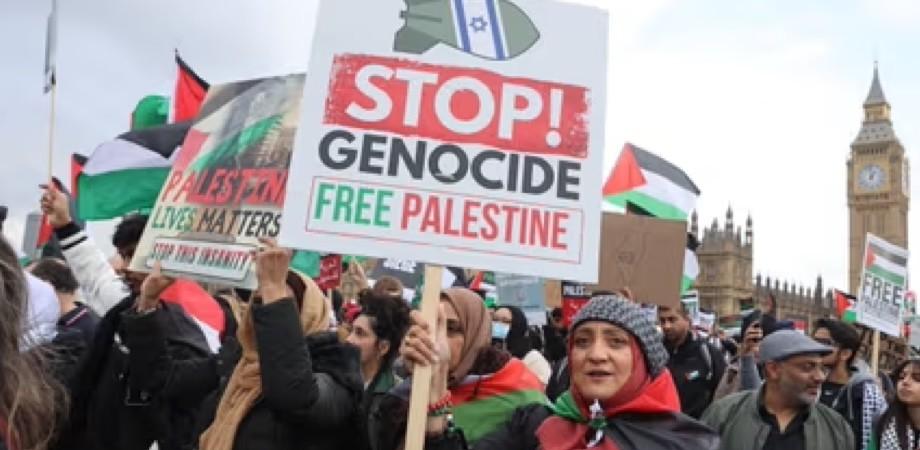
SAFA – The global boycott movement linked to the genocide in Gaza has expanded beyond university campuses, public demonstrations, and online platforms, reaching one of the world's most influential industries: Hollywood.
Thousands of film industry professionals—including actors, directors, writers, and producers—have signed a collective pledge to boycott Israeli film institutions they say are complicit in the policies of the Israeli occupation government. The initiative has been described as the largest action of its kind within the international film community.
Among the signatories are Emma Stone, Mark Ruffalo, Olivia Colman, Tilda Swinton, Javier Bardem, Riz Ahmed, and Ava DuVernay, alongside thousands of other artists and industry professionals.
According to the pledge, the boycott targets cultural and film institutions that receive official Israeli funding or support, or that contribute to promoting Israeli government policies. It states that the campaign does not target individuals based on their nationality or identity.
The move follows months of growing divisions within the international arts community over the war in Gaza. Major film festivals and cultural events have witnessed repeated protests, while numerous artists and creators have signed statements calling for a ceasefire and the protection of civilians.
The initiative has drawn criticism from figures within the Israeli film industry and from some U.S. production companies, which argue that such a boycott could undermine artistic collaboration and creative freedom. Organizers, however, maintain that the campaign is a form of peaceful pressure directed at official institutions.
Observers say the expansion of the boycott into Hollywood reflects the growing global cultural impact of the genocide in Gaza, with the debate extending beyond politics into the worlds of cinema and the arts—long regarded as influential forms of soft power.
Since the outbreak of the genocide in Gaza on October 7, 2023, the boycott movement has entered what supporters describe as its broadest phase since its launch in 2005. Campaigns have spread to hundreds of universities, labor unions, municipalities, churches, and cultural institutions worldwide.
Several multinational companies have acknowledged the impact of boycott campaigns on their businesses. McDonald's reported declining sales in several markets, particularly in the Middle East and other Muslim-majority countries, while Starbucks also reported weaker performance in some markets amid boycott campaigns.
In sports, Puma SE ended its sponsorship of the Israeli Football Association in 2024 after years of pressure. In the cultural sphere, more than 5,000 actors, directors, writers, and producers in Hollywood have pledged to boycott Israeli film institutions in what supporters describe as the largest coordinated action of its kind within the global film industry.
Supporters of the boycott movement argue that these developments demonstrate its evolution from a grassroots campaign into an international pressure movement with growing influence across the economic, cultural, and sporting spheres. They also contend that the war in Gaza has marked a turning point, accelerating the movement's global reach despite continued debate over its direct economic impact.
Source : Safa News


