
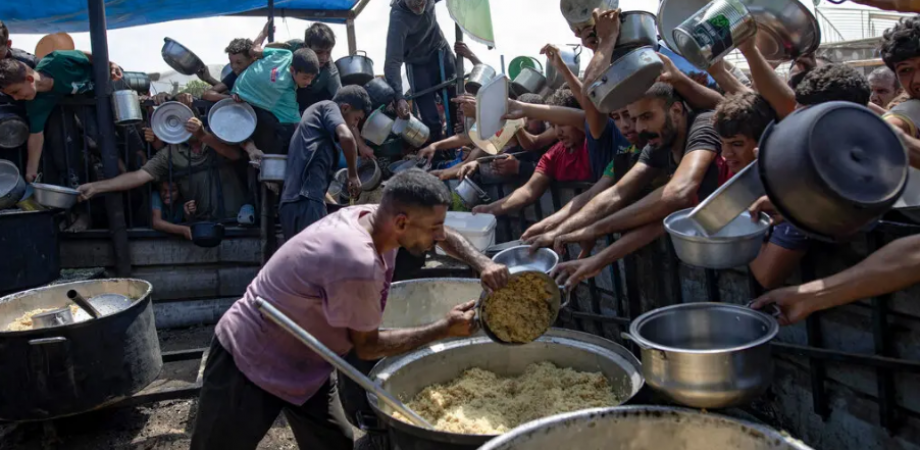
SAFA- Médecins Sans Frontières (MSF) has warned that Israeli restrictions on the entry of engine oil and essential spare parts into the Gaza Strip are deepening the territory’s energy crisis, putting hospitals, ambulances, water systems, humanitarian transport, and food production at risk of disruption.
In a statement issued Friday evening, MSF said severe shortages of engine oil used to power generators and essential vehicles had driven prices sharply higher.
The organization said the price of a liter had increased roughly twentyfold over the past six months, reaching about $1,300 by the end of July.
MSF said most healthcare facilities in Gaza rely on generators for electricity amid disruptions to power supplies and extensive damage to the electricity network.
It warned that generator failures could bring vital medical services to a halt, particularly for patients dependent on life-support equipment.
Ala Bardawil, MSF’s deputy project coordinator, said generator failures would deprive hospitals of electricity, directly endangering newborns in incubators, patients requiring oxygen, and those awaiting urgent surgery.
She said one of the main generators at MSF’s field hospital in Deir al-Balah stopped operating on August 5, forcing medical teams to drastically reduce electricity consumption and rely on a smaller backup generator.
As a result, surgeries were limited to the most urgent cases, while radiology services and equipment sterilization were suspended.
Burn patients also faced worsening conditions as cooling systems became unavailable amid high temperatures, she said.
Philippe Ribeiro, head of MSF’s mission in Palestine, said the shortage of operational supplies in Gaza went beyond an isolated supply crisis, arguing that restrictions on the entry of essential goods were affecting the basic systems on which residents depend for their daily lives.
Broader Impact on Water, Food, and Aid Delivery
The consequences of shortages of fuel and engine oil extend beyond the health sector to water, transportation, and food supplies, according to MSF.
The organization said around 90 percent of families in Gaza faced moderate to severe levels of water insecurity in July, according to assessments by organizations monitoring water and sanitation services.
Residents increasingly rely on water trucks to obtain drinking water.
MSF warned that continued shortages of engine oil could halt water trucks, ambulances, buses transporting medical personnel, and vehicles distributing humanitarian aid. The crisis could also disrupt bakeries and flour mills that depend on generators to operate.
The organization accused the Israeli occupation of imposing broad restrictions on the entry of essential goods into Gaza, including operational equipment, spare parts, and medical supplies.
MSF warned that prolonged Israeli restrictions could further damage fragile infrastructure and endanger access to critical healthcare, water and food throughout the Gaza Strip.
Source : Safa News


