
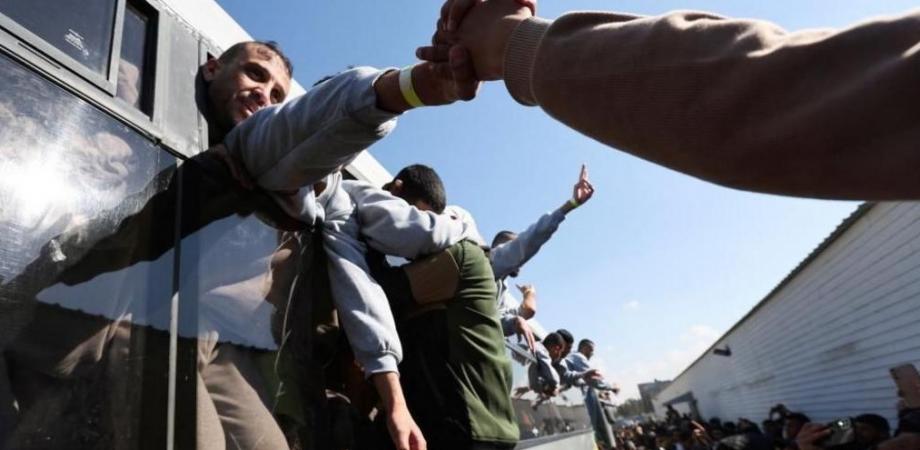
SAFA- Palestinian journalist and former detainee Ramiz Awad has described Israeli prisons as “graveyards for the living,” recounting severe hunger, poor sanitation and inadequate medical care after spending nearly two years in detention.
Awad, from Jifna, north of Ramallah, was held in several Israeli prisons, including Ofer and the Negev prison. Following his release on August 27, 2026, he said he felt as though he had been “born again.”
Hunger, Fear and Harsh Prison Conditions
In an interview with Al Jazeera, Awad said fear was a constant presence inside Israeli prisons, while prisoners endured persistent hunger because of the inadequate quantity and poor quality of food.
He also described severely deteriorated sanitation conditions and an unhealthy environment that he said compounded prisoners’ physical and psychological suffering.
“What I saw and experienced inside Israeli prisons was not simply a collection of stories or media accounts. It was the daily reality faced by Palestinian prisoners,” Awad said.
Sick Prisoners Left Without Adequate Care
Awad expressed particular concern for sick prisoners, saying inadequate medical care left many detainees weak, fearful and without access to the treatment they needed.
He called for urgent intervention by international human rights organizations to document conditions inside Israeli prisons and address the “slow execution” of Palestinian detainees.
‘I Will Carry Your Message to the World’
Awad said he promised the prisoners he left behind that he would carry their message to the outside world and continue speaking publicly about their suffering.
He recalled breaking down in tears during a family meal the day after his release. Seeing food on the table immediately reminded him of the prisoners he had left behind, many of whom, he said, continue to endure hunger.
Awad said he has not yet moved beyond the experience of detention, explaining that thoughts of those still imprisoned remain with him even during moments of joy with his family.
His testimony offers a deeply personal account of life inside Israeli detention and of the psychological burden former prisoners can continue to carry long after their release.
Source : Safa News


