
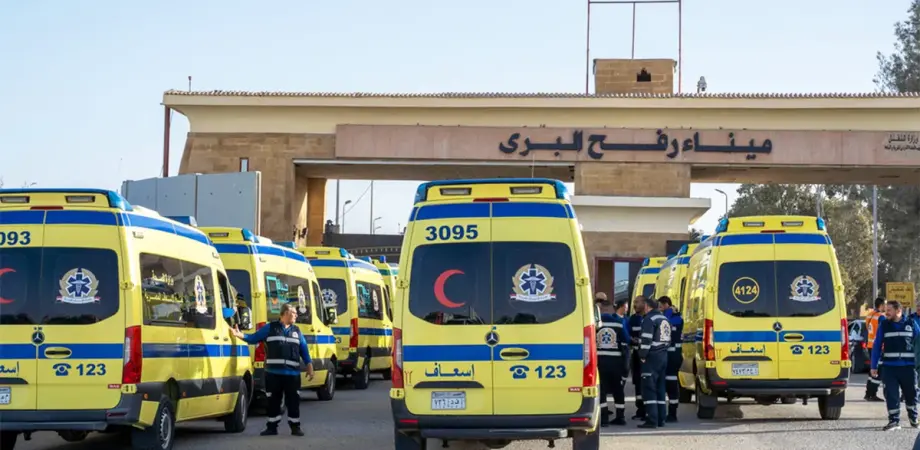
SAFA — At least 10 critically ill and wounded Palestinians have died in Gaza over the past two weeks while waiting for life-saving treatment abroad, as Israel's continued closure of the Rafah border crossing has prevented up to 250 patients from receiving urgently needed medical care, Gaza's Health Ministry said Thursday.
Zaher Al-Wahidi, head of the ministry's Information Department, said the patients who died included people suffering from cancer, kidney and heart diseases, as well as Palestinians wounded during Israel's genocide in Gaza.
All 10 had already obtained medical referrals for treatment outside the Strip but died before they could leave.
Al-Wahidi warned that dozens of other patients awaiting evacuation have experienced serious deterioration in their health, with some now in critical condition.
He said the continued closure of Rafah, combined with Israeli restrictions on medical travel, is leaving patients without access to treatments and procedures that Gaza's devastated hospitals can no longer provide.
Up to 250 Patients Denied Life-Saving Medical Evacuation
According to Al-Wahidi, between 200 and 250 Palestinian patients have been prevented from traveling through the Rafah crossing for medical treatment over the past two weeks.
The closure has disrupted evacuation arrangements for patients who urgently require specialized care abroad.
"Between 200 and 250 cases have been deprived of medical evacuation through the Rafah crossing over the past two weeks," he said.
Among those affected are cancer patients requiring specialized treatment, people with serious heart and kidney conditions, and wounded Palestinians whose injuries cannot be adequately treated inside Gaza.
Al-Wahidi warned that further deaths are likely if medical evacuations do not resume.
He said critically ill and wounded Palestinians are dying daily amid the Israeli siege, restrictions on medical travel, and severe shortages of essential treatment.
For patients who have already secured referrals, the inability to cross the border means that receiving medical approval offers no guarantee of survival.
Gaza Records 93 Deaths Amid Severe Medical Shortages
Beyond the patients who died while awaiting evacuation, Al-Wahidi said Gaza recorded 93 deaths during the first two weeks of October, including children and other patients.
He linked the broader mortality crisis to severe shortages of medicines, medical supplies, equipment, and essential treatments in Gaza's hospitals.
The ministry did not provide a detailed breakdown establishing the specific cause of each of the 93 deaths.
However, Al-Wahidi warned that the combined effects of medical shortages and blocked evacuations are leaving doctors increasingly unable to save patients whose conditions require urgent intervention.
Hospitals across Gaza continue to operate under extraordinary pressure following the destruction of medical infrastructure during Israel's genocidal war.
Many facilities lack the equipment, medicines, and specialist services needed to diagnose and treat serious illnesses and injuries.
The shortage of functioning diagnostic equipment has also delayed treatment for patients whose conditions can rapidly become life-threatening.
Patients Wait Weeks for Treatment as Their Conditions Worsen
For Palestinians living with serious illnesses, every additional day of waiting can mean worsening pain and greater medical danger.
Erin Al-Banna, a patient awaiting treatment, said she had spent six weeks waiting for her turn while enduring severe pain.
"I have been waiting for my turn for a month and a half. Every day I suffer from severe cramps, and I rely on painkillers just to tolerate the pain," she said.
Her experience reflects the difficulties facing patients who need treatment but remain trapped in Gaza's overwhelmed healthcare system.
With medical evacuations restricted and specialized services unavailable or severely limited, many patients must rely on temporary pain relief while waiting for definitive treatment.
For those with rapidly progressing diseases, the delays can have irreversible consequences.
Shortage of CT Scanners Delays Critical Diagnoses
The medical crisis extends beyond the closure of Rafah.
A shortage of functioning diagnostic equipment is preventing doctors from identifying serious conditions quickly enough to provide appropriate treatment.
Dr. Arif Hussai, a neurologist who worked at Al-Aqsa Martyrs Hospital, described the case of an elderly woman who suffered a stroke but could not undergo a CT scan until two days later.
Such delays can severely complicate the management of neurological emergencies, in which rapid imaging is essential for determining the appropriate course of treatment.
The shortage of diagnostic equipment has also affected children requiring emergency care.
At Yafa Hospital, Dalia Al-Hawari stood behind a glass partition as her 10-year-old son, Ahmed, underwent a CT scan to assess a serious head injury.
Ahmed had slipped and fallen while playing with friends.
The scan revealed a skull fracture and severe bleeding, prompting doctors to call for emergency medical intervention.
Dalia said her son had been transferred from Al-Aqsa Martyrs Hospital to Yafa Hospital because his condition required urgent diagnostic imaging.
"This was an emergency case. We could not wait. We were referred from Al-Aqsa Hospital to Yafa Hospital to undergo the CT scan because Ahmed needed a rapid diagnosis," she said.
The case illustrates the additional risks facing patients when hospitals lack the diagnostic equipment needed to respond immediately to medical emergencies.
Israeli Siege Leaves Gaza Patients Fighting for Survival
Medical and human rights organizations have repeatedly warned that restrictions on Palestinian patients seeking treatment outside Gaza, combined with the destruction of healthcare infrastructure and shortages of essential supplies, threaten the rights to health and life.
For thousands of Palestinians with cancer, chronic diseases, and severe injuries, treatment abroad remains their only viable option.
Yet the continued closure of Rafah has left patients with approved medical referrals unable to reach hospitals capable of treating them.
Inside Gaza, doctors are struggling to manage critical cases without sufficient medicines, functioning equipment, or specialized medical services.
The Health Ministry has called for the urgent resumption of medical evacuations, the unrestricted entry of essential medicines and supplies, an end to the Israeli siege, and a halt to Israeli attacks on Palestinian civilians.
With 10 patients already dead while awaiting evacuation and hundreds more denied medical travel over the past two weeks, health officials warn that further delays will cost additional lives.
For critically ill Palestinians in Gaza, reopening medical evacuation routes is not simply a matter of restoring movement across a border. It is a matter of survival.
Source : Safa News


