
SAFA — Thousands of Palestinian women battling breast cancer in the Gaza Strip face life-threatening delays in diagnosis and treatment as Israel's genocidal war and continuing restrictions on medical supplies have devastated oncology services, leaving patients without access to radiotherapy, essential cancer medicines, and medical evacuation abroad.
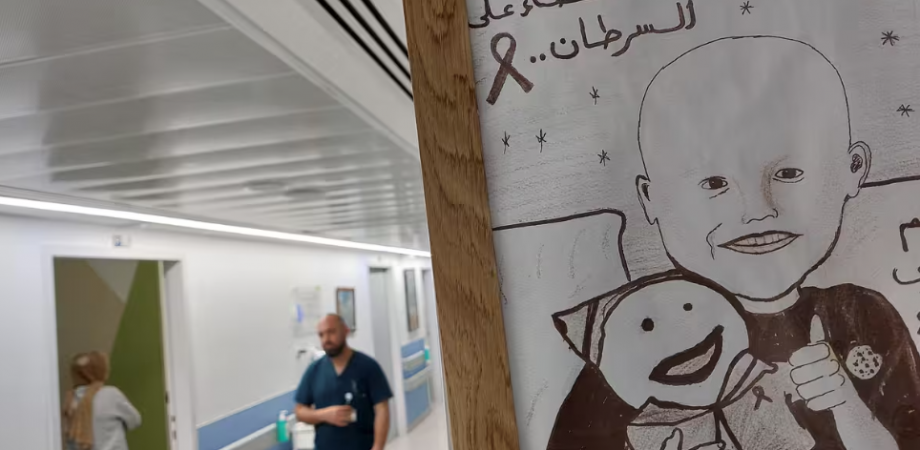
At the severely damaged al-Shifa Hospital in Gaza City, 46-year-old Najat Abu al-Sheikh completes a six-hour session of targeted cancer therapy before waiting outside with her husband for transportation home. Despite months of chemotherapy, major surgery, and ongoing treatment, she remains unable to receive radiotherapy, a crucial part of her medical care that is no longer available anywhere in Gaza.
"I was diagnosed with stage two breast cancer on January 5, 2026," Abu al-Sheikh said, recalling how she began chemotherapy three weeks later at al-Helou International Hospital.
"The shock was overwhelming, especially because I knew how difficult it had become to access hospital care and treatment in Gaza after the war," she added.
Since her diagnosis, Abu al-Sheikh has undergone eight rounds of chemotherapy and a mastectomy. She is now receiving preventive targeted therapy at al-Shifa, but the absence of radiotherapy services has left her treatment incomplete and her future uncertain.
"Radiotherapy is unavailable here. I registered to travel in April 2026, but my turn still hasn't come," she said.
"My doctors said I should have left for radiotherapy in February 2026. I am still waiting for my chance to travel."
Her struggle reflects a wider medical emergency affecting approximately 11,000 cancer patients in Gaza, according to the Palestinian Ministry of Health, many of whom face interrupted treatment, shortages of essential medicines, and prolonged delays in obtaining permission to travel abroad for specialized care.
The World Health Organization (WHO) has reported that 94% of Gaza's hospitals have been damaged or destroyed during Israel's military offensive, leaving only limited oncology services available at al-Shifa Hospital in Gaza City and Nasser Medical Complex in Khan Younis.
Breast Cancer Patients Struggle to Access Essential Treatment
Inside al-Shifa's oncology department, women crowd into waiting rooms and corridors, hoping to receive chemotherapy, targeted treatments, and medical consultations despite shortages that have forced doctors to modify treatment plans and postpone essential procedures.
Dr. Mohammed Abu Nada, director of the Gaza Cancer Centre, said the destruction of medical infrastructure has left cancer care fragmented across a small number of facilities, with diagnostic services and treatment no longer consistently available.
"Services are not fully available across all hospitals in the territory," Abu Nada explained. "Some facilities provide diagnostic services, biopsies, pathology tests and consultations, while treatment is available mainly at al-Shifa and Nasser."
According to Abu Nada, more than 500 women were diagnosed with breast cancer in Gaza during 2024 and 2025, although the actual number is believed to be considerably higher because many women have been unable to undergo screening or reach medical facilities.
The collapse of diagnostic services has also raised concerns that breast cancer is increasingly being detected at later stages, when treatment becomes more complicated and the chances of successful recovery may decline.
"Israel's war has disrupted every stage of breast cancer care, from early diagnosis and identifying tumor characteristics to treatment and follow-up," he said.
"Not all advanced imaging services are available, including MRI, CT, nuclear scans and even mammography. Before the war, we had around 15 mammography machines. Now, there are only three across Gaza."
The loss of screening equipment has severely weakened early detection efforts, while shortages of pathology supplies and laboratory equipment have made it more difficult for doctors to determine the characteristics of tumors and identify the most appropriate treatments.
Destruction of Cancer Hospitals Leaves Patients Without Lifesaving Care
Gaza's oncology services have suffered devastating losses since the beginning of Israel's military offensive in October 2023, with major hospitals damaged, occupied, or taken out of service.
The Turkish-Palestinian Friendship Hospital, Gaza's only dedicated cancer hospital, was taken over by Israeli forces and used as a military position before being demolished, eliminating a critical center for specialized oncology care.
In June 2025, Israeli forces also took control of the European Gaza Hospital, a major referral facility in southern Gaza that had provided essential services to cancer patients and others requiring specialized treatment.
The destruction and closure of these facilities have forced remaining hospitals to absorb patients despite severe shortages of medical equipment, electricity, medicines, and qualified healthcare personnel.
Although the ceasefire agreement reached in 2025 was expected to facilitate the entry of humanitarian and medical supplies, international health organizations have continued to report significant restrictions and delays affecting the delivery of essential medicines and equipment.
In October, the WHO warned that medical shipments could remain delayed for at least two and a half months while awaiting permits, with frequently changing requirements further complicating the delivery of critical supplies.
"The biggest challenge we face is the shortage of medicines, including chemotherapy drugs, supportive medicines, biological therapies and targeted treatments. Radiotherapy is also unavailable," Abu Nada said.
"This forces us to modify or postpone some treatment plans, depending on each patient's condition and the medicines available."
He added that the shortages have become so severe that doctors have, in some cases, resorted to administering expired chemotherapy medicines because no alternatives were available.
For cancer patients, interruptions in treatment can allow the disease to progress, reduce the effectiveness of previous medical interventions, and significantly complicate the possibility of recovery.
More Than 21,000 Patients Await Medical Evacuation
With radiotherapy unavailable and specialized cancer services severely limited, medical evacuation has become one of the few remaining options for patients whose treatment cannot be completed inside Gaza.
However, restrictions on travel and the limited number of medical evacuations have left thousands waiting for permission to seek care abroad, often while their conditions deteriorate.
According to Physicians for Human Rights Israel, approximately 21,000 patients are awaiting medical evacuation from Gaza.
The organization reported that at least 1,570 patients have died while waiting to leave for treatment, including 505 cancer patients and 264 children.
These figures highlight the consequences of prolonged delays for patients whose conditions require medical procedures, specialist consultations, or medicines that are unavailable within the territory.
For Abu al-Sheikh, every additional month without radiotherapy means further uncertainty over whether she will be able to complete the treatment prescribed by her doctors.
Her medical needs have also created a severe financial burden, as essential supplements and supportive products remain unavailable in hospitals or are sold at prices beyond the reach of many families.
"I need a lot of vitamins, but unfortunately, hospitals do not provide them, and they are very expensive in pharmacies," she said.
Following her mastectomy, Abu al-Sheikh also hoped to obtain products that could help her cope with the physical effects of surgery, but even basic items remain difficult to find.
"I wish I could find cosmetic creams to improve the appearance of the area after my breast was removed, but unfortunately, these creams are completely unavailable."
Cancer Treatment Amid Displacement, Exhaustion, and Daily Hardship
For 34-year-old Tahrir Atallah, who has also been diagnosed with stage two breast cancer, the struggle extends far beyond hospital appointments and the uncertainty of waiting for medical evacuation.
Atallah is undergoing chemotherapy while awaiting permission to leave Gaza for further treatment, but the destruction of transportation networks, shortages of fuel, and difficult living conditions have made even routine medical visits physically exhausting.
"Beyond all the suffering related to our health and treatment, life after the war makes us even more exhausted," she said.
With public transportation severely disrupted and fuel supplies scarce, Atallah must walk long distances to reach her hospital appointments despite the fatigue and physical weakness associated with chemotherapy.
At home, she faces additional hardships caused by unreliable electricity, shortages of clean water, and limited cooking gas, forcing her to carry out physically demanding household tasks while undergoing treatment.
"Imagine having to do the laundry by hand when there is no electricity or cook over a wood fire because gas supplies are limited," she said. "Even routine tasks become a struggle."
For women receiving cancer treatment, these conditions compound the physical and psychological burden of the disease, making recovery more difficult and leaving patients with little opportunity to rest or maintain the nutrition and hygiene required during treatment.
The challenges are particularly severe for displaced women living in overcrowded shelters or damaged homes, where access to clean water, adequate food, and safe living conditions remains limited.
Doctors Warn More Cancer Patients Could Die Without Urgent Intervention
Health officials and human rights organizations warn that Gaza's cancer patients face an increasingly dangerous future unless restrictions on medical supplies are lifted, specialized oncology services are restored, and medical evacuations are significantly expanded.
The shortage of chemotherapy drugs, targeted treatments, diagnostic equipment, and laboratory supplies continues to undermine the ability of medical teams to provide consistent care, while the complete absence of radiotherapy leaves many patients unable to complete essential treatment.
For breast cancer patients who might otherwise have a strong chance of recovery, delays in diagnosis and interruptions in treatment can turn manageable conditions into life-threatening illnesses.
"More than three years since the war began, patients in Gaza are still facing acute shortages of diagnostic equipment, laboratory supplies and medicines," Abu Nada said.
He stressed that restoring oncology services and ensuring access to treatment abroad are essential to preventing further deaths among patients whose conditions remain treatable.
"Unless we can restore services and allow people to travel for care that doesn't exist here, we will continue to lose patients who could have been saved."
Source : Safa News


